Complete Guide to Brainwave Frequencies
Introduction
Frequency Listening Note (Add to Every Frequency Article)
Before exploring how this frequency affects your brain and body, try listening to it for a moment.
Humans usually hear only between 20 Hz and 20,000 Hz, so very low frequencies — like Delta waves — may not be audible.
(Some rare individuals report sensing ultra-low frequencies through the body rather than the ears.)
To experience the frequency directly:
👉 Open the Frequency Generator Tool
Hz Frequency Generator- Free Online Tone Generator for Cymatics
Play the raw frequency (without music or effects), observe how your mind and body respond, and then return to the article for the full explanation.
If you have checked The frequencies yourself, now let us begin to understand the Brainwaves and its its connection with the Frequencies.
🔗 Explore More Medihertz Tools
🔊 Healing Frequency Tools
- Vocal Pitch & Ear Scale Trainer
- Find Your Tinnitus Frequency Online
- TuneNaad 🎸
- CampHertz: A Camping Sound Guard for Night Protection
- Daily Weight Loss Frequencies
- Instant Hz Listener
- Hz Frequency Generator (Advanced)
- Om Chanting Meditation Tool
- CatPurrTone Tool
- Third Eye & Chakra Alignment Frequency Tool
- SENCAR Focus Waves for Driving, Travel & Long Focus Sessions 🔴🚘
- TradeMind Frequency Analyzer – for Traders
- White Noise & Binaural Beats Generator Free
- CalmMind Quiz
- Manifestation Tools
- Magic Ball Prediction Tool
What is a brainwave frequency?
Every moment your brain is active, it makes tiny electrical signals. These signals show regular patterns called brainwaves. Each pattern has a speed, measured in hertz (Hz). Hz simply tells how many waves happen in one second.
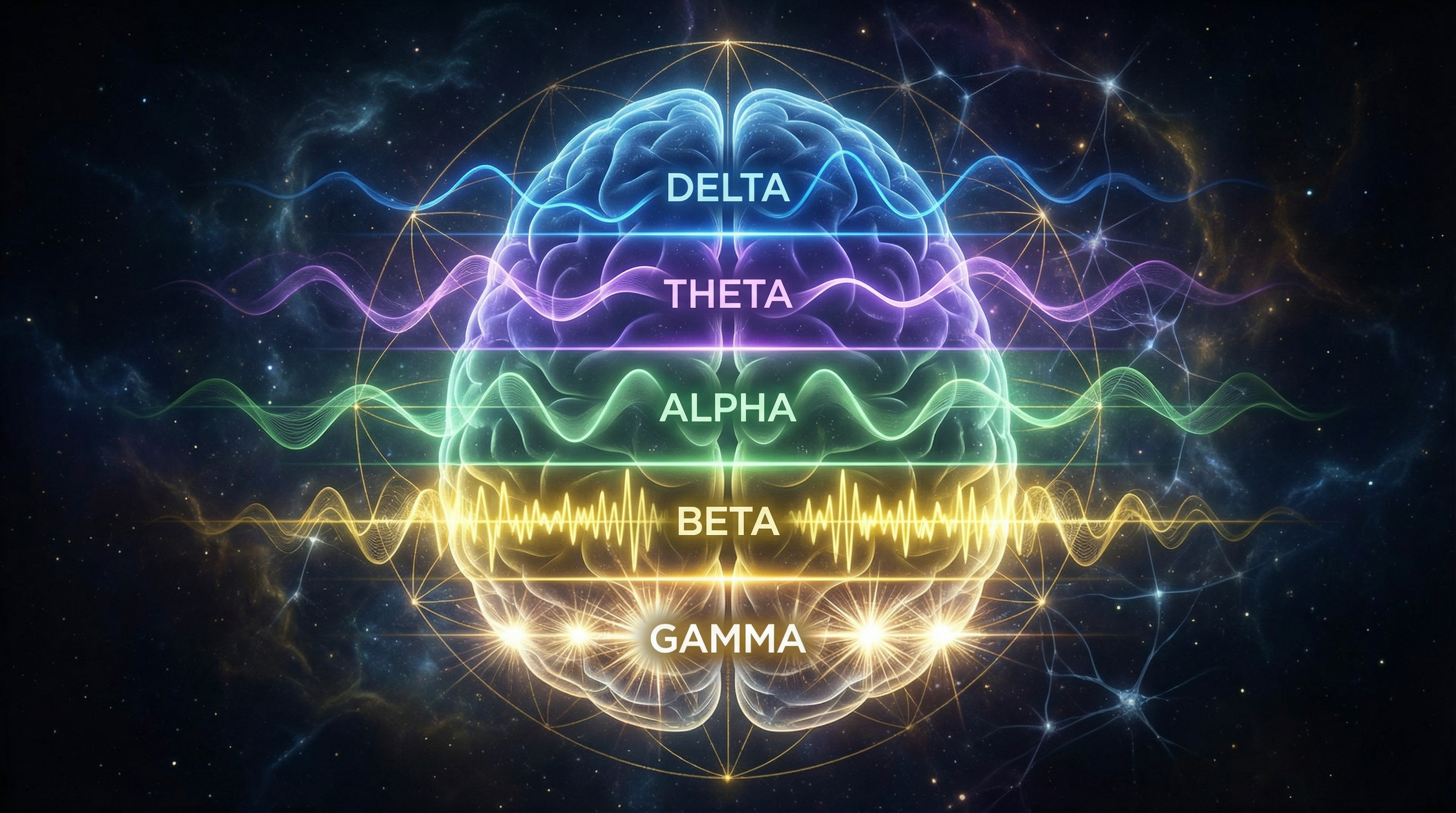
Brainwaves tell us about your mind state: awake, calm, focused, dreaming, or deep sleep. Scientists group brainwaves into ranges — delta, theta, alpha, beta, and gamma. Learning these helps you use sound, meditation, and routines more safely and effectively.
This guide explains each frequency group, what it does to the brain, benefits, risks, and how to use frequencies safely.
1) Brainwave types — the simple map
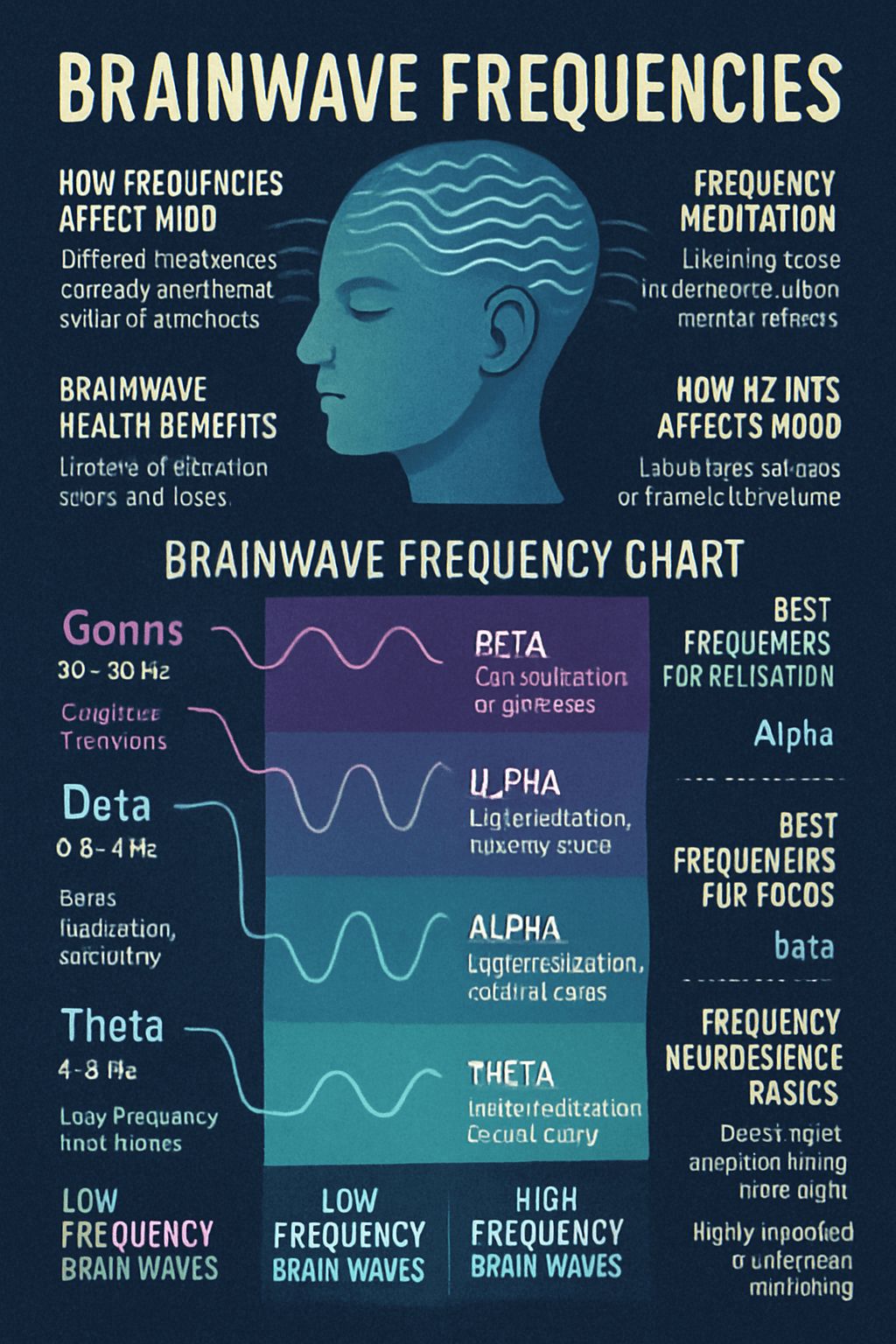
Here is a quick map from slowest to fastest:
-
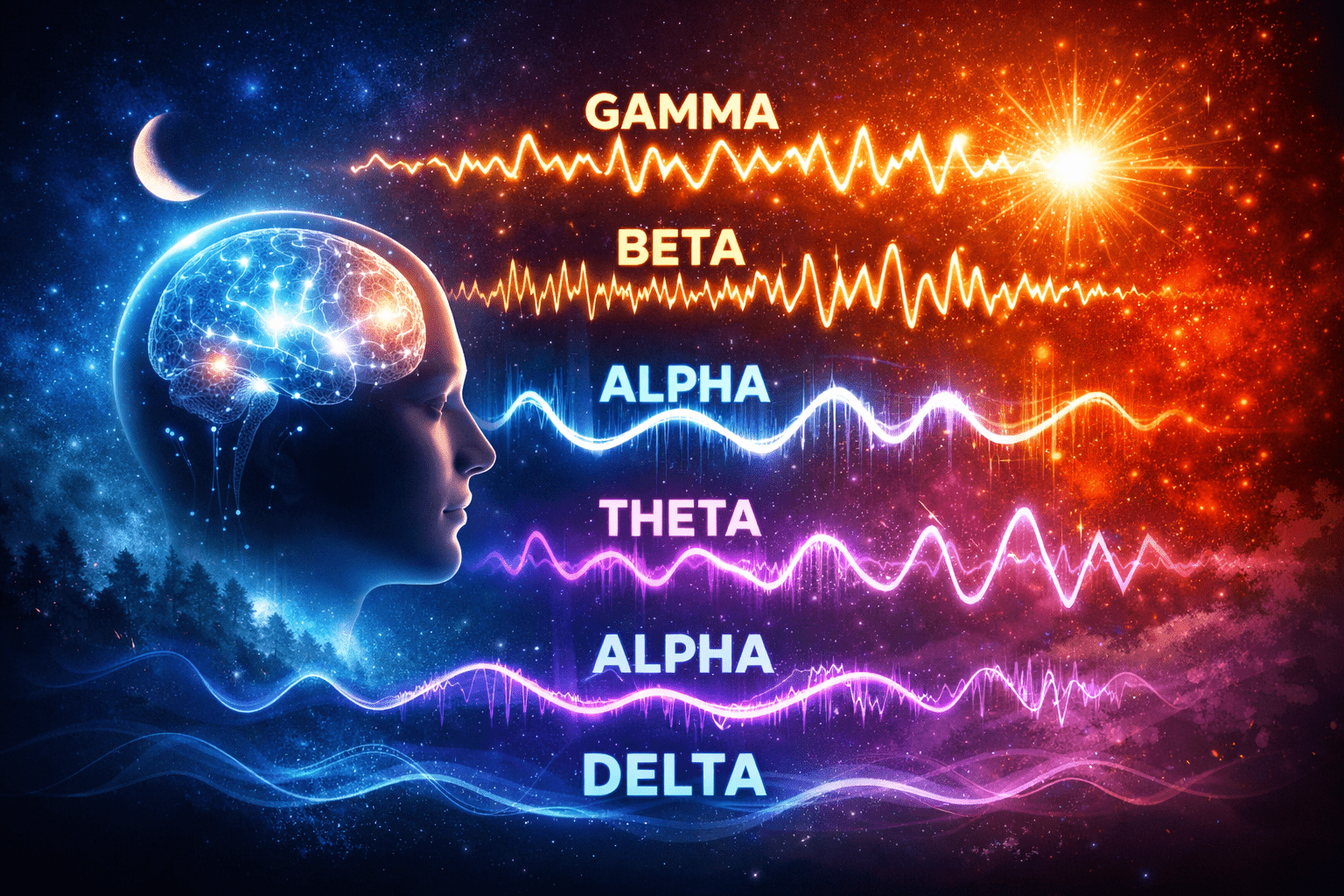
Delta (0.5–4 Hz) — deep sleep, healing, body recovery
-
Theta (4–8 Hz) — deep relaxation, early sleep, dreams, creativity
-
Alpha (8–12 Hz) — calm wakefulness, relaxed focus, light meditation
-
Beta (12–30 Hz) — active thinking, focus, problem-solving
-
Gamma (30–100 Hz) — high focus, fast processing, learning bursts
Each range has smaller steps (like 5 Hz, 7 Hz, 10 Hz). Those single numbers are useful in meditation music or binaural-beat tracks.
2) What each brainwave does (simple details)

Delta (0.5–4 Hz)
-
When it appears: deep, dreamless sleep (slow-wave sleep).
-
What it does: supports physical healing and body repair.
-
Why it matters: quality delta sleep helps immune system and overall health.
-
Use: sleep music or long quiet sessions (no loud tones).
-
Caution: you feel very drowsy in delta; not safe for driving.
Theta (4–8 Hz)
-
When it appears: drifting to sleep, deep meditation, creative flow.
-
What it does: helps memory consolidation, creativity, emotional processing.
-
Use: guided meditation, creative work, therapy sessions.
-
Caution: can feel dream-like; some people feel dizzy or emotional.
Alpha (8–12 Hz)
-
When it appears: quiet alertness, light meditation, relaxed focus.
-
What it does: balances stress and focus; good for calm attention.
-
Use: study with mild background alpha tones; relaxation breaks.
-
Caution: too much alpha while working can lower sharp focus in some tasks.
Beta (12–30 Hz)
-
When it appears: active thinking, problem solving, speaking.
-
What it does: supports concentration, logical work, energy.
-
Use: short non-distracting music can support alertness.
-
Caution: long high-beta exposure may raise stress or anxiety.
Gamma (30–100 Hz)
-
When it appears: very high mental processing, quick learning, peak moments.
-
What it does: relates to memory binding and rapid processing.
-
Use: short bursts (not long audio sessions).
-
Caution: little research on long-term effects; use carefully.
3) How sound and binaural beats affect brainwaves
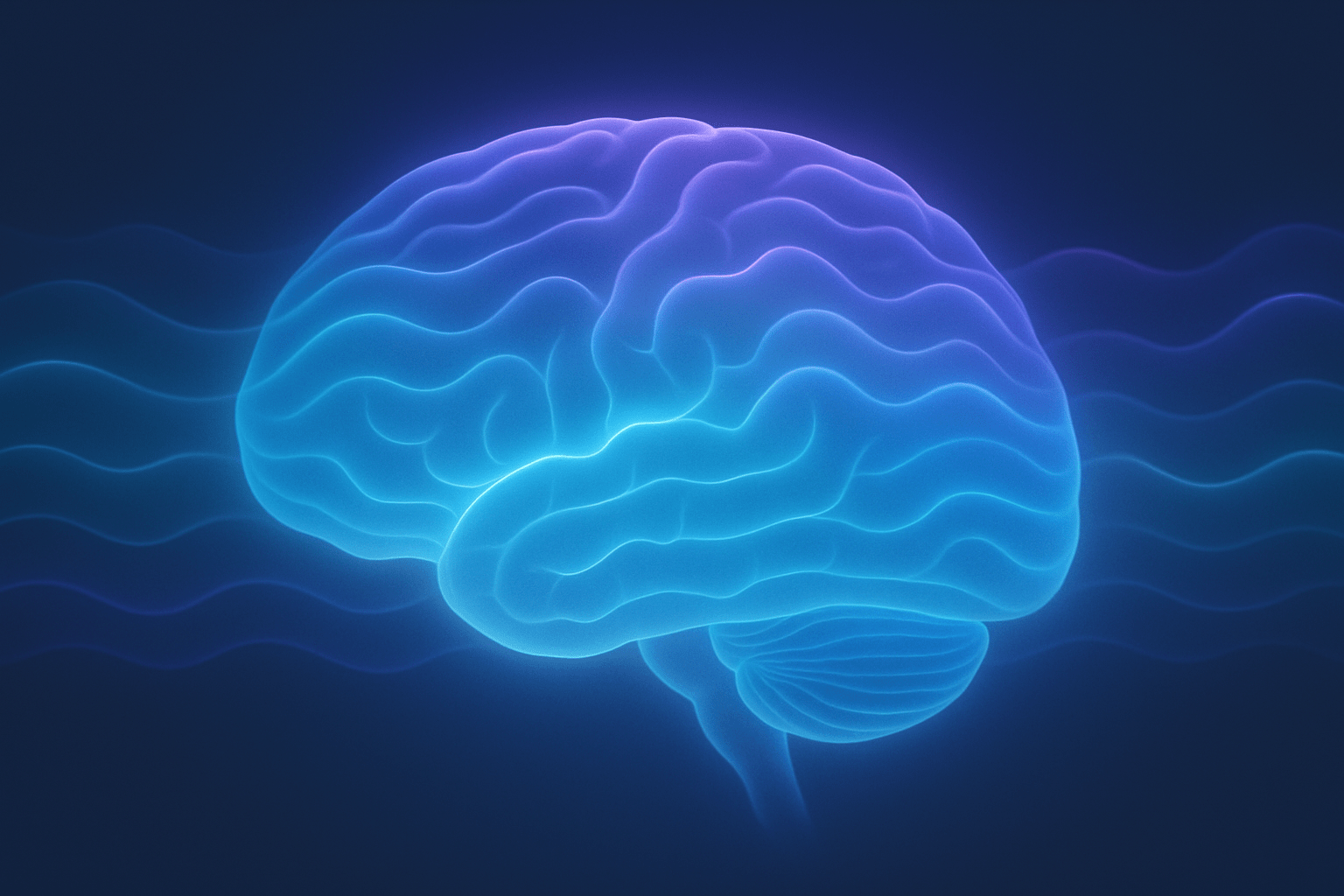
There are two common methods people use to influence brainwaves:
A) Pure tone or isochronic tones
A regular sound pulse at a set frequency. Isochronic tones are single tones turned on/off quickly. They are simple and effective.
B) Binaural beats
Two slightly different tones are played in each ear (headphones required). The brain senses the difference and “creates” a beat at the difference frequency (example: 210 Hz in left ear and 215 Hz in right ear creates a 5 Hz binaural beat). This can encourage the brain to follow the target frequency.
Both tools aim to gently guide the brain toward a desired state — e.g., alpha for calm, theta for meditation. But results vary by person.
4) Benefits people report (and what research shows)
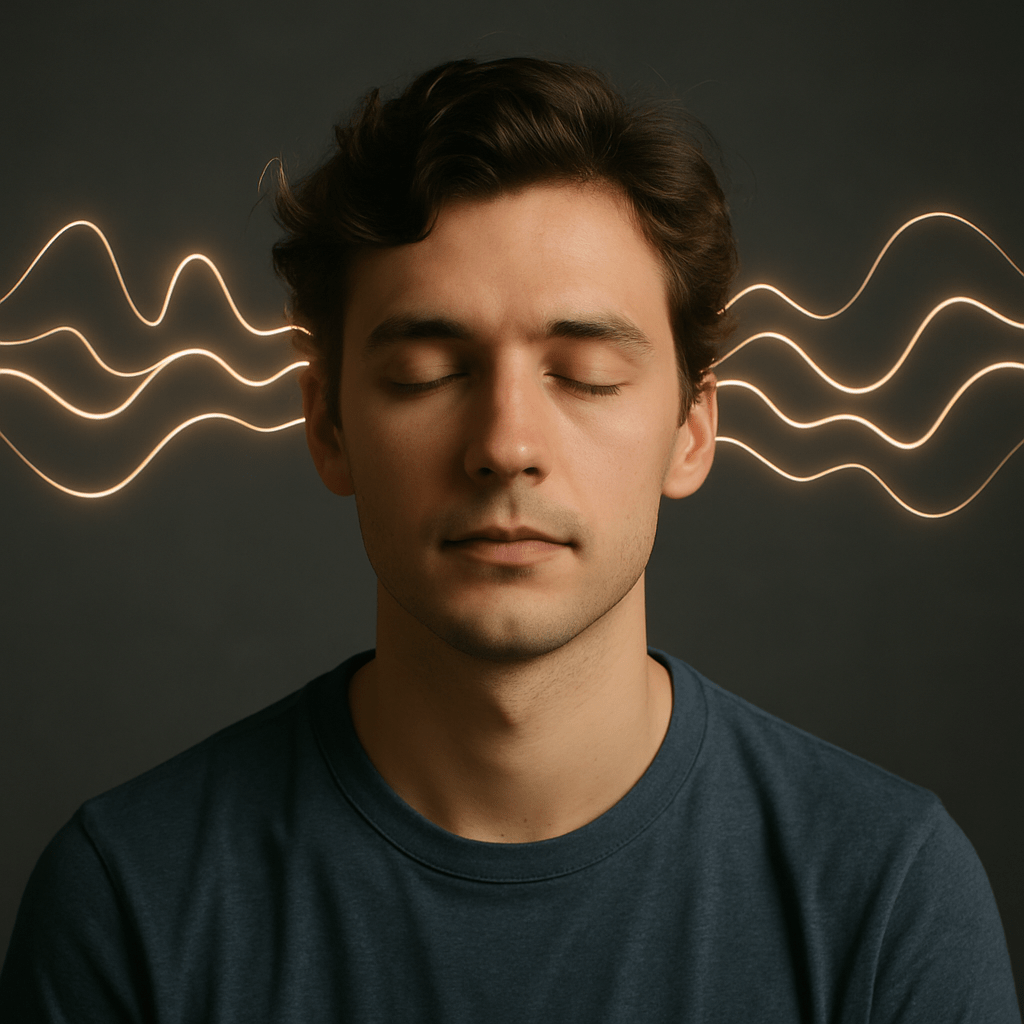
People use frequencies for many reasons. Here are common benefits and what science says in simple terms:
-
Better relaxation and less anxiety: Alpha and theta tones are often calming. (Several small studies support this.)
-
Improved sleep: Delta and low-theta tones can help some people fall asleep faster.
-
More creativity: Theta is linked to creative insight and idea flow.
-
Learning and memory boosts: Some studies show specific frequencies help short-term memory.
-
Meditation depth: Frequencies can help meditators reach deeper states faster.
Note: effects vary by person, session length, and volume. Research exists but is still growing — not all claims are proven for everyone.
The Cymatics Experiment Journal:
Recording Sound Frequency Tests, Patterns & Observations
5) Risks and who should avoid frequency audios
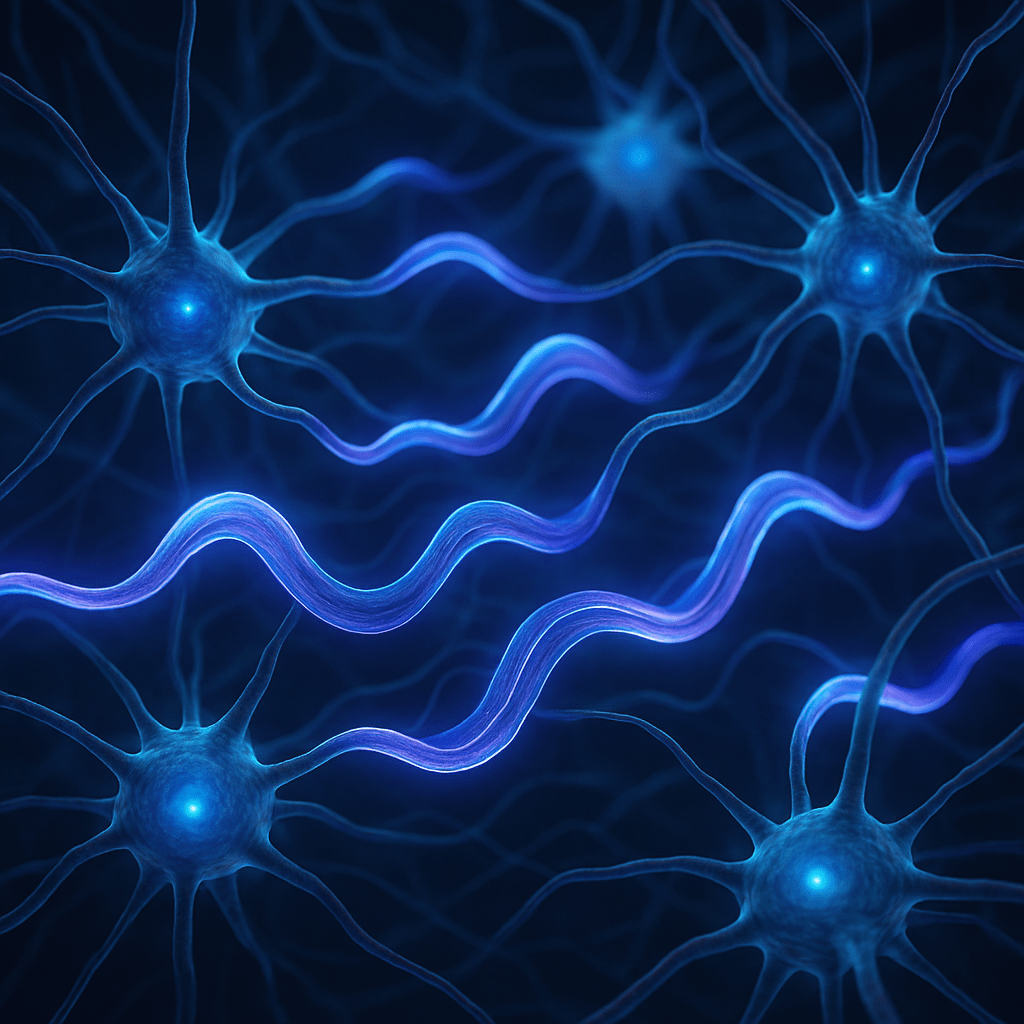
Frequencies are safe for many people, but there are important cautions:
-
Epilepsy: brainwave stimulation may trigger seizures. Avoid unless a doctor says it’s safe.
-
Heart devices: people with pacemakers should consult a doctor.
-
Pregnancy: best to ask a health professional first.
-
Emotional fragility: theta can release emotions quickly; be in a safe place when trying deep sessions.
-
Driving/Work: do NOT use while driving or operating machinery.
Also read 👉 How Does Sound Frequency Heal?
6) How to try frequencies safely — practical steps
-
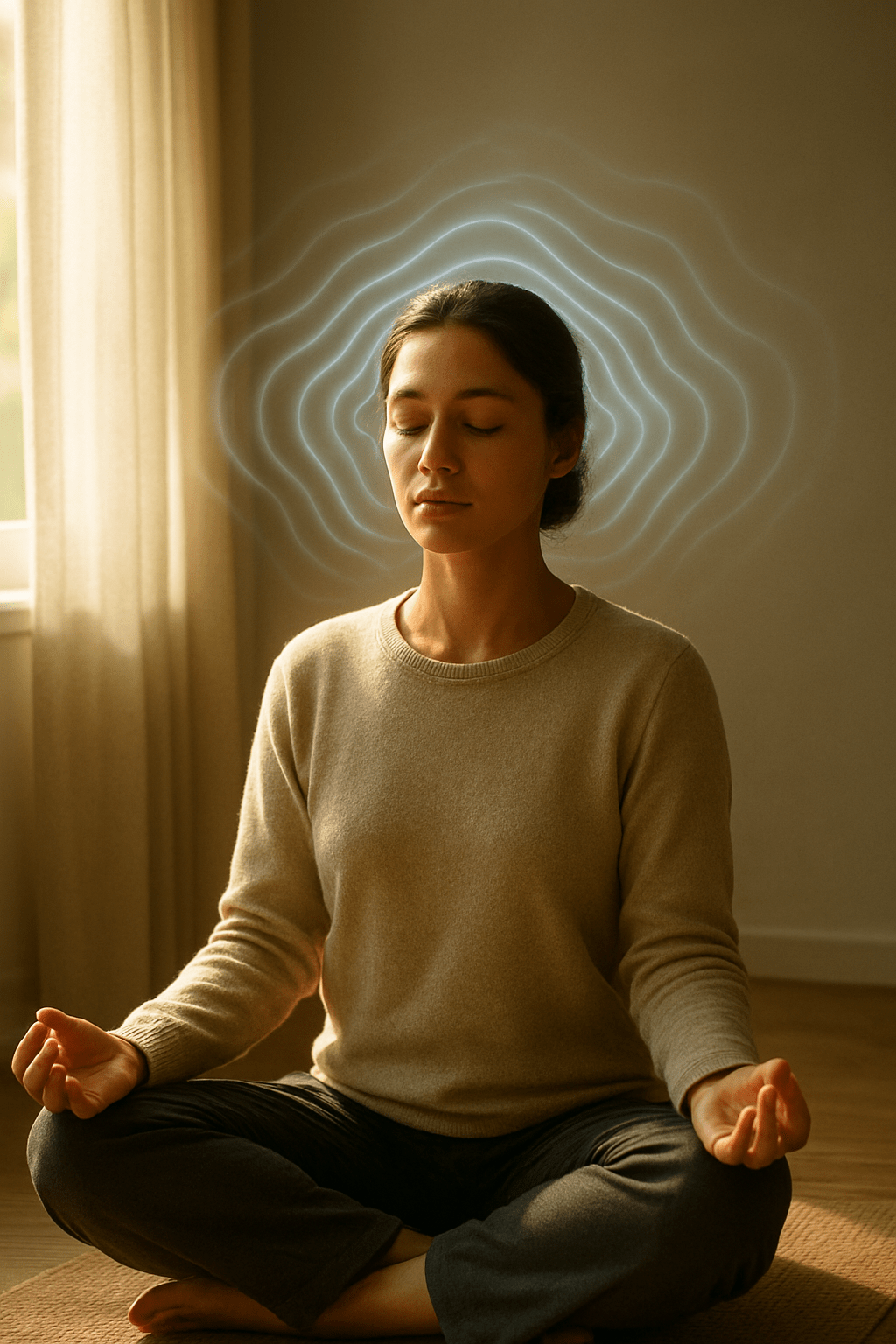
Start small: 5–10 minutes per day.
-
Volume low: keep device volume at comfortable low level.
-
Use headphones for binaural beats (not for isochronic tones: speakers are fine).
-
Sit or lie down in a safe place.
-
Avoid multitasking while listening.
-
Stop if you feel dizzy, anxious, or unwell.
-
Don’t replace medical care with frequency practices.
7) How to structure your practice (easy plan)
-
Week 1: 5–10 minutes of alpha every other day (calm focus).
-
Week 2: add 10 minutes theta twice a week (meditation).
-
Week 3: try one delta sleep session at night (30–60 minutes).
-
Journal: write how you felt after each session. Adjust time and frequency to suit you.
8) Practical uses — where frequencies fit in daily life
-
Morning: short beta or high-alpha to wake and focus.
-
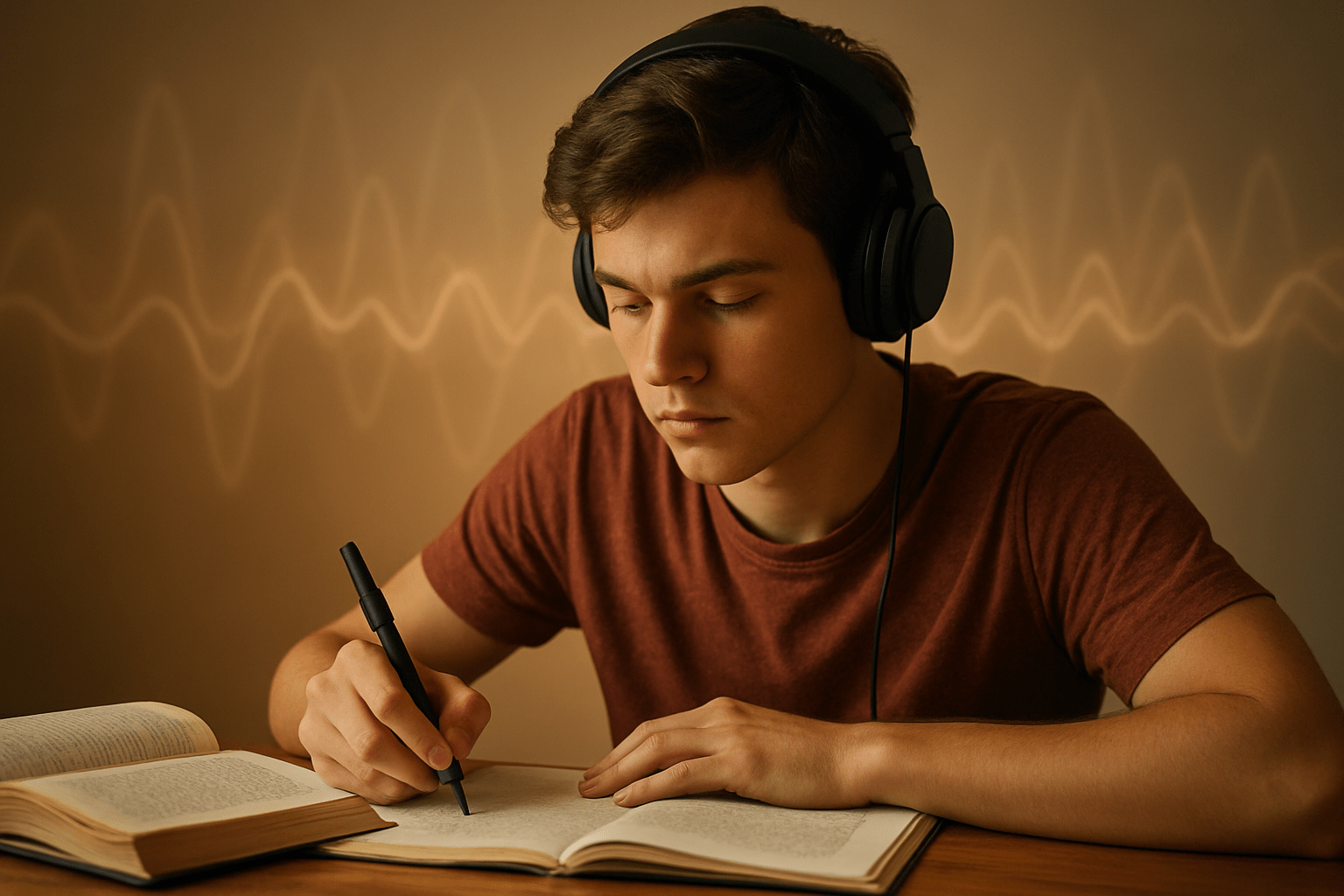
Work/Study: alpha for low-stress focus or short beta bursts for intense tasks.
-
Creative work: 10–20 minutes of theta to open idea flow.
-
Before sleep: delta or low theta to relax and drift off.
-
Therapy: trained therapists may combine theta sessions with talk therapy.
9) How Medihertz will build a frequency hub (quick note)
This Article links to many specific frequency pages (5 Hz, 7 Hz, 10 Hz, solfeggio tones, binaural beats guide, risks, Cymatics Experiments and science summaries). Each page will explain one frequency and link back here. You can save this page to come here again repeatedly to learn about the important chapters of the frequencies and affects, so you can make the better use of the frequency tools by Medihertz.
10) Sources & further reading (trusted places)
-
Review on music and brain rhythms (PMC): https://www.ncbi.nlm.nih.gov/pmc/articles/PMC6130927/
-
Theta and binaural beat study (PubMed): https://pubmed.ncbi.nlm.nih.gov/26737822/
-
All-around brainwave review (Healthline): https://www.healthline.com/health/theta-waves
-
5 Hz auditory memory study (PubMed): https://pubmed.ncbi.nlm.nih.gov/18985458/
🔗 Explore More Medihertz Tools
🔊 Healing Frequency Tools
-
- Vocal Pitch & Ear Scale Trainer
- Find Your Tinnitus Frequency Online
- TuneNaad 🎸
- CampHertz: A Camping Sound Guard for Night Protection
- Daily Weight Loss Frequencies
- Instant Hz Listener
- Hz Frequency Generator (Advanced)
- Om Chanting Meditation Tool
- CatPurrTone Tool
- Third Eye & Chakra Alignment Frequency Tool
- SENCAR Focus Waves for Driving, Travel & Long Focus Sessions 🔴🚘
- TradeMind Frequency Analyzer – for Traders
- White Noise & Binaural Beats Generator Free
- CalmMind Quiz
- Manifestation Tools
- Magic Ball Prediction Tool
🔵 Delta Wave (0.5–4 Hz)
3 Hz Frequency
👉 “deep healing frequencies like 3 Hz support regenerative brain states.”
4 Hz Frequency
👉 “states just above deep sleep, such as 4 Hz, calm the nervous system.”
5 Hz Frequency
👉 “slow-wave activity such as 5 Hz is linked to relaxation and mental stillness.”
7 Hz Frequency
👉 “earth-resonant frequencies like 7 Hz are associated with grounding.”
🟣 Theta Wave (4–8 Hz)
6 Hz Frequency
👉 “creative theta states often appear around 6 Hz, boosting imagination.”
8 Hz Frequency
👉 “mental clarity often peaks at frequencies close to 8 Hz.”
🟢 Alpha Wave (8–12 Hz)
10 Hz Frequency
👉 “focused calm is commonly found near 10 Hz in the alpha range.”
12 Hz Frequency
👉 “productivity and smooth attention improve around 12 Hz.”
🔶 Beta Wave (12–30 Hz)
14 Hz Frequency
👉 “light beta activity such as 14 Hz supports organized thinking.”
15 Hz Frequency
👉 “alertness increases at beta frequencies like 15 Hz.”
20 Hz Frequency
👉 “higher beta levels like 20 Hz help with wakefulness but may also increase stress.”
🔺 Gamma Wave (30–100 Hz)
40 Hz Frequency
👉 advanced cognitive processing is linked to 40 Hz gamma activity.
Related Articles
What Is The Healing Power Of Sound Wave
The 7 Healing Frequencies: Unlocking the Power of Sound for Wellness
What Is 7 Hz frequency good for? A careful, evidence-based guide (with references)
Is It Good to Sleep With White Noise? (Simple Guide for Better Sleep)
What Frequency Cancels Out Tinnitus? (Simple Guide + Free Tools)
👉 Schumann Waves Generator Explained Simply: What It Is, How People Actually Use It, and Who It’s For
Related 👇
- Kozyrev Mirror vs Mirror Meditation: Why You Don’t Need a Lab to Explore Consciousness
- How to Build a Kozyrev Mirror Step by Step Guide.
- What Does a Kozyrev Mirror Do? The Complete Guide
Most Read 👇
- 2026 Will Change Everything: What Your Life Path Number Must Prepare For
- The One Frequency You Must Avoid in 2026 (Based on Your Birth Number)
- Peer Pressure: What It Is, How to Identify It, and How to Overcome It
- What Is Walmart’s DEI Program? (Diversity, Equity & Inclusion Explained)
- 3I/ATLAS: Is the Interstellar Object Alien Technology?
- Mystery From the Sky: The Buga Sphere Appears in ColombiaOumuamua: The Mysterious Interstellar Visitor and the Cosmic Message in Prashyant Jha’s Song
- Hz Frequency Generator- Free Online Tone Generator
Frequency Articles- 👇
- 👉Complete Guide to Brainwave Frequencies (Hz Explained Simply)
- 👉 The One Frequency You Must Avoid in 2026 (Based on Your Birth Number)
- 👉What is the science behind sound bowls?
- 👉What is 7 Hz good for? A careful, evidence-based guide (with references)
- 👉Cymatics: From 2D Sand Patterns to 3D Sound Sculptures
- 👉 Hz Frequency Generator- Free Online Tone Generator
- 👉 What Frequencies Are Dangerous to Humans? Understanding Risks from Sound to Radiation
- 👉How to do a Cymatic Experiment
- 👉What is the science behind cymatics?
- 👉 NASA-Approved 30-Min Brain Boost
- 👉 What Is The Healing Power Of Sound Wave
- 👉 What does 528 hz do to the brain?
- 👉 The 7 Healing Frequencies: Unlocking the Power of Sound for Wellness
- 👉 The Sacred Science of Yantras: How Cymatics Validates Ancient Tantric Geometry
- 👉 Is 1111 a Lucky Number? A Deep Dive into Its Mystical, Numerological, and Cultural Significance
- 👉 Is 528 Hz Dangerous?
- 👉Delta Waves (0.5–4 Hz): Effects on Mind, Sleep, and Spiritual Energy
- 👉What Happens to Your Brain at 1 Hz Frequency?
- 👉Complete Guide to Brainwave Frequencies (Hz Explained Simply)
- 👉 White Noise for Sleep – Fall Asleep Fast (Free Online Tool)
- 👉 Is It Good to Sleep With White Noise? (Simple Guide for Better Sleep)
Numerology 👇
- Decoding the Mystery: What Happens If You Write 690452 on Your Wrist?
- Is 1111 a Lucky Number? A Deep Dive into Its Mystical, Numerological, and Cultural Significance
- What Does 1 Mean In Numerology
- What Does 2 Mean In Numerology
- What Does Number 3 mean in Numerology
- What Does 4 Mean In Numerology
- What Does 5 Mean In Numerology
- What Does 6 Mean In Numerology
- What Does 7 Mean In Numerology
- What Does 8 Mean In Numerology
- What Does 9 Mean In Numerology
- How to Use the 5 Elements for Personal Growth in Numerology
- Name Numerology Calculator: How to use it.
People Also Read
- 2030 A Doomsday According to Indian Texts or Misinterpretation?
- The Glory of Narasimha Bhagwan: An Exploration of Ancient Indian History
- Medusa and Mansa Devi: The Untold Myths Connecting Greek and Hindu Traditions
- “The Enigmatic Link Between the Bermuda Triangle and Hindu Mythology of Ramayan: Unveiling the Mystery”
- why is mt. Kailash Considered to be a Sacred Site?
- How Eastern Wisdom Can Transform Your Modern Life.
- Lord Shani and Lord Yam : God of Karma for Living and Death
- In which direction Ganesh Idol should face.
- What is the logic for existence of God?
- Who Is Mahadev Shiv ?
- How to increase love for Krishna?
- Hanuman Chalisa English Lyrics| Bhajle Ram Naam | Prashyant Jha
Free AI Tools To test yourself
- Love Percentage Checker Tool – Check For Free!
- Soulmates Initial Finder
- Hz Frequency Generator- Free Online Tone Generator
- Mental Health Check In Tool [ FREE TEST ]
- Best Free Phone Photos Download
- Image Converter (Online & Free)
Seotoolrank.com Free Ai Tools
- RankVortex – Implies pulling traffic and SEO rankings toward you.
- How do I convert a PNG file to BMP?
- ConvertEase PDF
- Website Speed Checker Tool
- SEO Word Counter with Character Count
- Free Stopwatch and Online Timer Countdown
- Age Calculator Tool
- Password Generator Tool
- Qr Code Generator Free
