

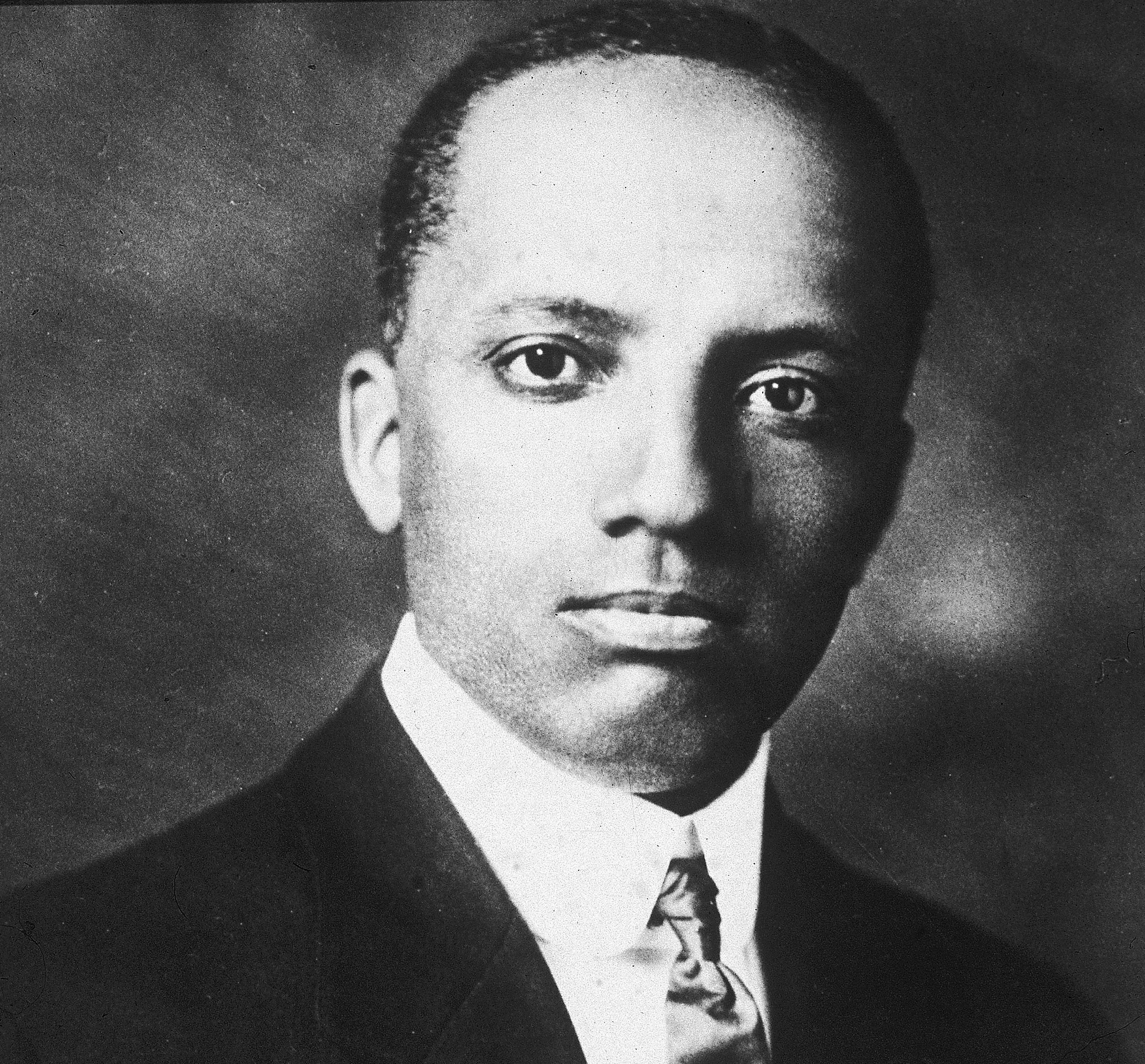
Celebrating Black History Month: Honoring the Past, Inspiring the Future
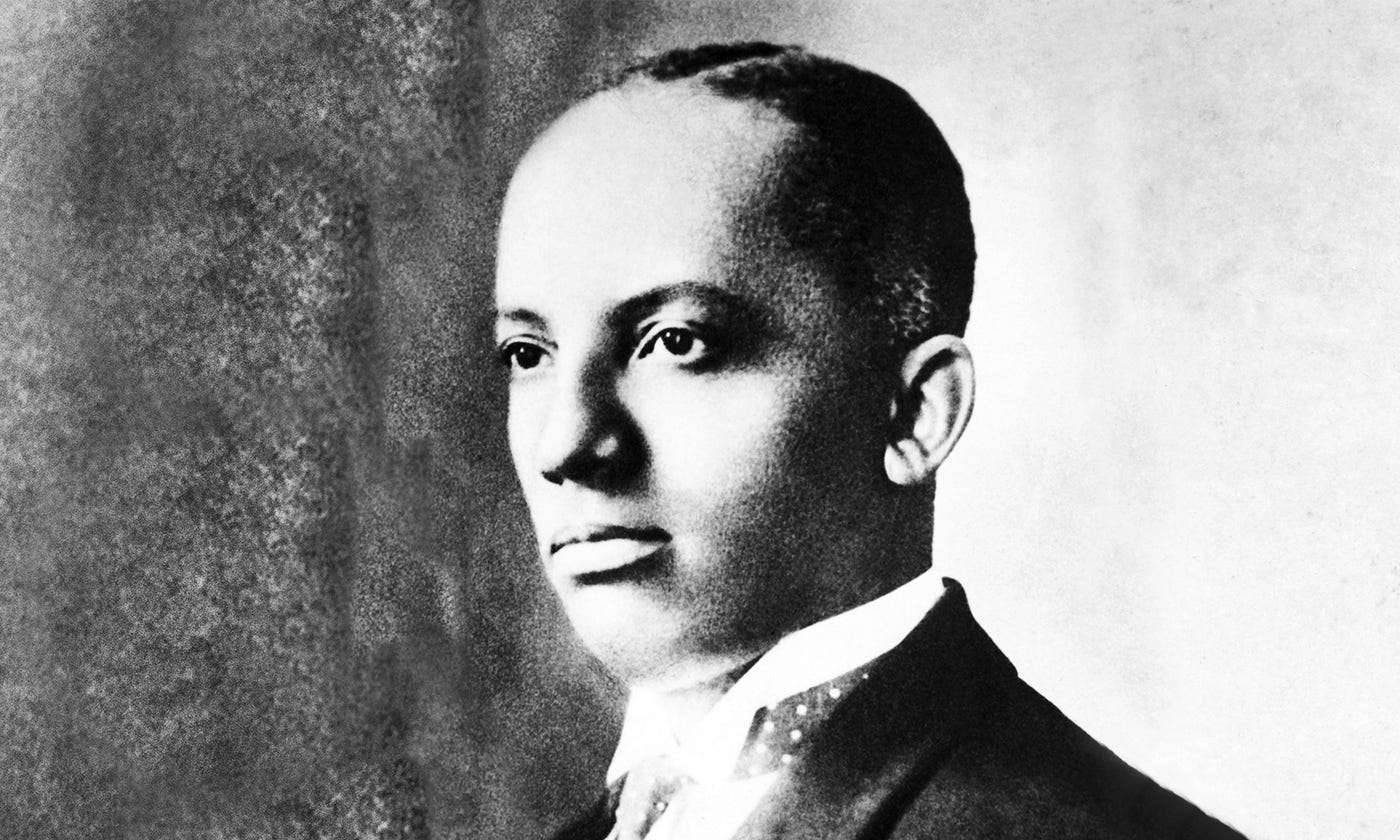
Black History Month is an annual celebration of the achievements, contributions, and resilience of African Americans throughout history. Observed every February in the United States and Canada (and in October in the UK), this month serves as a reminder of the struggles and triumphs of Black individuals and communities. It is a time to reflect on the past, celebrate the present, and inspire future generations.
In this article, we’ll explore the origins of Black History Month, its significance, key figures who have shaped history, and ways to celebrate and honor this important month.
The Origins of Black History Month
The Father of Black History: Carter G. Woodson
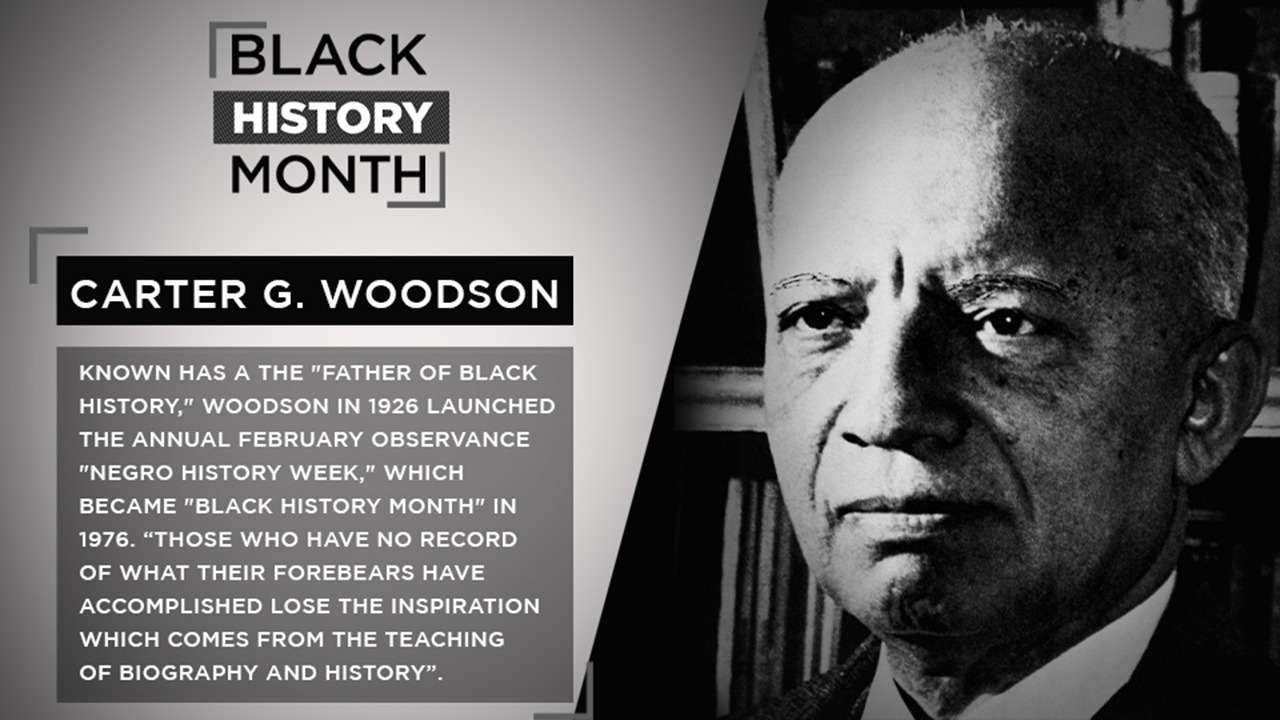
Black History Month traces its roots to Carter G. Woodson, a historian, author, and journalist often referred to as the “Father of Black History.” In 1926, Woodson established Negro History Week to highlight the contributions of African Americans that were often overlooked in mainstream history. He chose the second week of February to coincide with the birthdays of Abraham Lincoln (February 12) and Frederick Douglass (February 14), two figures who played significant roles in the abolition of slavery.
From a Week to a Month
In 1976, during the United States Bicentennial, Negro History Week was expanded to Black History Month. President Gerald Ford officially recognized it, urging Americans to “seize the opportunity to honor the too-often neglected accomplishments of Black Americans in every area of endeavor throughout our history.”
Why Black History Month Matters

Black History Month is more than just a celebration; it is a vital opportunity to:
- Educate: Highlight the often-overlooked contributions of Black individuals in science, art, politics, sports, and more.
- Inspire: Showcase stories of resilience and achievement that inspire future generations.
- Reflect: Acknowledge the systemic racism and injustices faced by Black communities and the ongoing fight for equality.
- Celebrate: Honor the rich cultural heritage and diversity of the African diaspora.
Key Figures in Black History
1. Harriet Tubman (1822–1913)
Harriet Tubman, known as the “Moses of her people,” was a conductor on the Underground Railroad, leading enslaved people to freedom. She also served as a spy for the Union Army during the Civil War.
2. Martin Luther King Jr. (1929–1968)
A leader of the Civil Rights Movement, Dr. King advocated for racial equality through nonviolent resistance. His iconic “I Have a Dream” speech remains a cornerstone of American history.
3. Rosa Parks (1913–2005)
Rosa Parks, the “Mother of the Freedom Movement,” sparked the Montgomery Bus Boycott by refusing to give up her seat to a white passenger, challenging segregation laws.
4. Maya Angelou (1928–2014)
A celebrated poet, author, and civil rights activist, Maya Angelou’s works, including “I Know Why the Caged Bird Sings,” continue to inspire and empower.
5. Barack Obama (1961–Present)
Barack Obama made history as the first African American President of the United States, serving two terms from 2009 to 2017.
Themes of Black History Month
Each year, Black History Month has a specific theme to focus celebrations and educational efforts. The theme for 2024 is “African Americans and the Arts,” highlighting the profound influence of Black artists, musicians, writers, and performers on American culture.
Past themes have included:
- 2023: Black Resistance
- 2022: Black Health and Wellness
- 2021: The Black Family: Representation, Identity, and Diversity
How to Celebrate Black History Month
1. Educate Yourself and Others
- Read books by Black authors, such as “The Souls of Black Folk” by W.E.B. Du Bois or “Between the World and Me” by Ta-Nehisi Coates.
- Watch documentaries like “13th” (Ava DuVernay) or “Eyes on the Prize” (Henry Hampton).
2. Support Black-Owned Businesses
- Explore and purchase from Black-owned businesses in your community or online.
- Promote these businesses on social media to amplify their reach.
3. Attend Events and Exhibitions
- Participate in local Black History Month events, such as lectures, art exhibits, and cultural performances.
- Visit museums like the National Museum of African American History and Culture in Washington, D.C.
4. Amplify Black Voices
- Share stories, achievements, and contributions of Black individuals on social media.
- Engage in conversations about racial justice and equality.
5. Donate to Causes
- Support organizations that fight for racial justice, such as the NAACP, Black Lives Matter, or the Equal Justice Initiative.
The Global Impact of Black History Month
While Black History Month originated in the United States, its influence has spread globally. Countries like Canada and the United Kingdom also observe this month, celebrating the contributions of Black individuals to their societies. The month serves as a reminder that Black history is world history.
Conclusion
Black History Month is a time to honor the past, celebrate the present, and inspire the future. By educating ourselves, supporting Black communities, and amplifying Black voices, we can contribute to a more inclusive and equitable world. Let us use this month to reflect on the progress made and the work still to be done in the fight for racial justice.
References and Further Reading
- Association for the Study of African American Life and History (ASALH)
- National Museum of African American History and Culture
- History of Black History Month – History.com
- Black History Month Themes – ASALH
By sharing this article and engaging in meaningful conversations, we can ensure that the legacy of Black history continues to inspire and educate future generations. Happy Black History Month!
🔹 FAQ – Black History Month
1. What is Black History Month, and why is it celebrated?
Black History Month is an annual observance that honors the history, achievements, and contributions of Black people, especially African Americans. It is celebrated to recognize their role in shaping society, culture, science, politics, and human rights, and to ensure their stories are not forgotten or ignored.
2. Who started Black History Month?
Black History Month was started by historian Carter G. Woodson, often called the Father of Black History. In 1926, he created Negro History Week to promote the study of Black history. In 1976, it officially expanded into Black History Month.
3. When is Black History Month celebrated?
Black History Month is celebrated:
-
February in the United States and Canada
-
October in the United Kingdom
The timing reflects important historical events and educational calendars in each country.
4. What is the theme for Black History Month 2025?
The official theme for Black History Month 2025 focuses on Black excellence, resilience, and cultural legacy, highlighting how Black communities continue to shape art, innovation, leadership, and social progress across generations. (Themes may be updated by official organizations each year.)
5. Why is Black History Month still important today?
Black History Month is important because it:
-
Educates people about overlooked history
-
Challenges racism and misinformation
-
Celebrates resilience and achievement
-
Encourages equality and inclusion
-
Inspires future generations
It reminds society that Black history is an essential part of world history.
6. How do you explain Black History Month to a child?
You can explain Black History Month to a child by saying:
“It’s a special time when we learn about Black heroes, leaders, and creators who helped make the world better, even when life was unfair to them.”
Simple stories, books, and examples work best.
7. Who are some of the most important figures in Black history?
Some widely recognized figures include:
-
Harriet Tubman – Freedom fighter and Underground Railroad leader
-
Martin Luther King Jr. – Civil rights leader
-
Rosa Parks – Civil rights activist
-
Maya Angelou – Poet and writer
-
Barack Obama – First Black U.S. President
Each played a key role in advancing justice, equality, and culture.
8. What are 5 important facts about Black history?
-
Black history spans thousands of years across Africa and the diaspora
-
Enslaved Africans helped build major world economies
-
Black inventors created everyday tools still used today
-
The Civil Rights Movement changed global human rights laws
-
Black culture has shaped music, art, language, and fashion worldwide
9. What is the most important thing to understand about Black history?
The most important thing to understand about Black history is resilience — despite centuries of oppression, Black communities have continuously contributed knowledge, culture, leadership, and innovation to the world.
10. How can people celebrate or support Black History Month?
People can support Black History Month by:
-
Learning and sharing Black history
-
Supporting Black-owned businesses
-
Attending educational or cultural events
-
Listening to Black voices and stories
-
Donating to racial justice organizations
11. Is Black History Month only about the past?
No. Black History Month is also about the present and future. It recognizes ongoing achievements, modern leaders, artists, scientists, and activists shaping today’s world.
12. Why do schools and workplaces observe Black History Month?
Schools and workplaces observe Black History Month to promote:
-
Cultural awareness
-
Inclusion and respect
-
Historical accuracy
-
Social responsibility
It helps create informed, empathetic communities.
🌿 A Warm Note from Medihertz
This article belongs to our growing knowledge library, lovingly preserved to support learning and awareness.
Today, Medihertz mainly shares content on brainwave frequencies, meditation, and subconscious healing.
This article is offered for educational purposes only and is not medical advice
People Also Read
- 2030 A Doomsday According to Indian Texts or Misinterpretation?
- The Glory of Narasimha Bhagwan: An Exploration of Ancient Indian History
- Medusa and Mansa Devi: The Untold Myths Connecting Greek and Hindu Traditions
- “The Enigmatic Link Between the Bermuda Triangle and Hindu Mythology of Ramayan: Unveiling the Mystery”
- why is mt. Kailash Considered to be a Sacred Site?
- How Eastern Wisdom Can Transform Your Modern Life.
- Lord Shani and Lord Yam : God of Karma for Living and Death
- In which direction Ganesh Idol should face.
- What is the logic for existence of God?
- Who Is Mahadev Shiv ?
- How to increase love for Krishna?
- Hanuman Chalisa English Lyrics| Bhajle Ram Naam | Prashyant Jha
Free AI Tools To test yourself
- Love Percentage Checker Tool – Check For Free!
- Soulmates Initial Finder
- Hz Frequency Generator- Free Online Tone Generator
- Mental Health Check In Tool [ FREE TEST ]
- Best Free Phone Photos Download
- Image Converter (Online & Free)
Seotoolrank.com Free Ai Tools
- RankVortex – Implies pulling traffic and SEO rankings toward you.
- How do I convert a PNG file to BMP?
- ConvertEase PDF
- Website Speed Checker Tool
- SEO Word Counter with Character Count
- Free Stopwatch and Online Timer Countdown
- Age Calculator Tool
- Password Generator Tool
- Qr Code Generator Free
- AI Story Generator Tool
- Blog Title Generator Tool [FREE]