

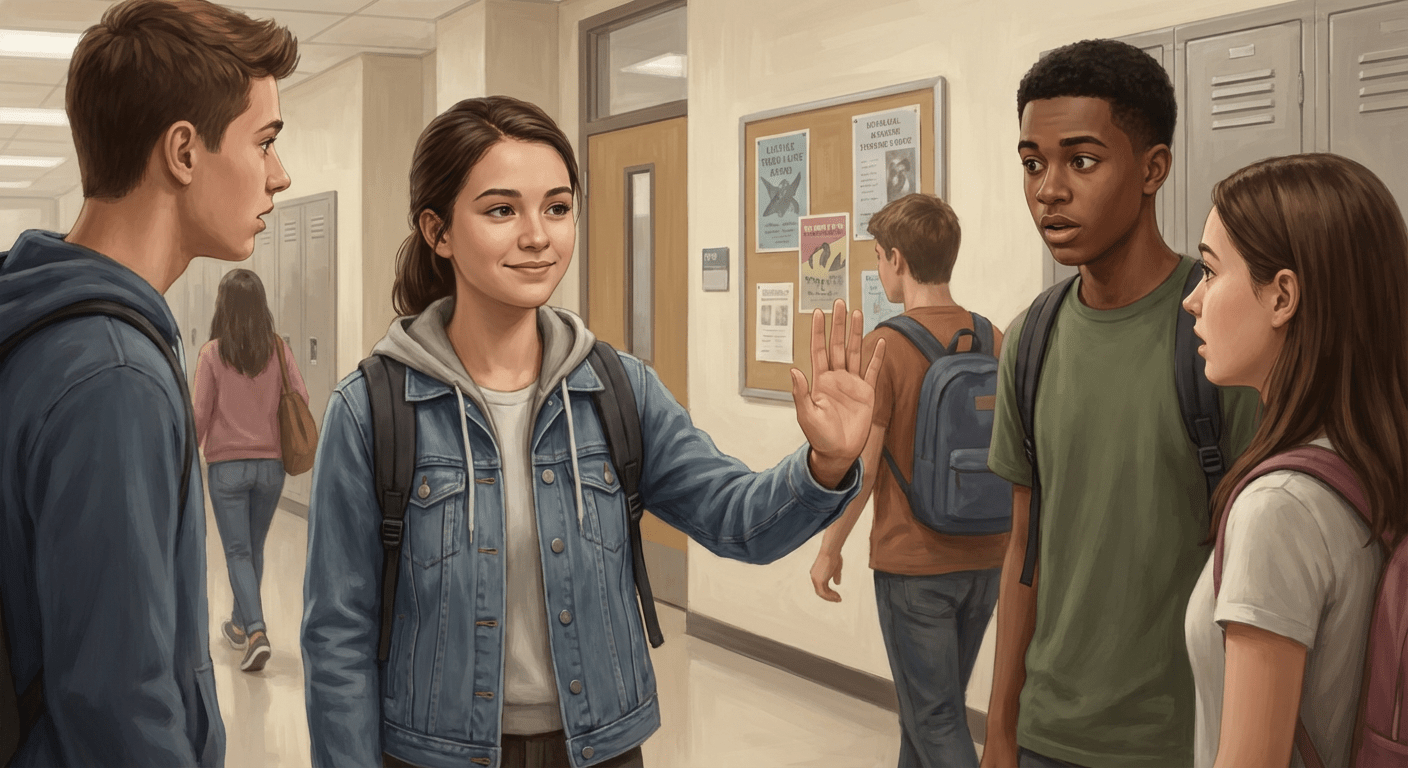
What Are 5 Ways to Say No to Peer Pressure?
Peer pressure is something almost everyone faces at some point in life – especially students, teenagers, and young adults. It happens when people around you try to influence your choices, behavior, or decisions, even when you feel uncomfortable.
Learning how to say “no” confidently is an important life skill. It protects your values, mental health, and future.
In this article, you’ll learn 5 simple and effective ways to say no to peer pressure, explained using psychology and real-life examples.
Why Is Peer Pressure So Powerful?
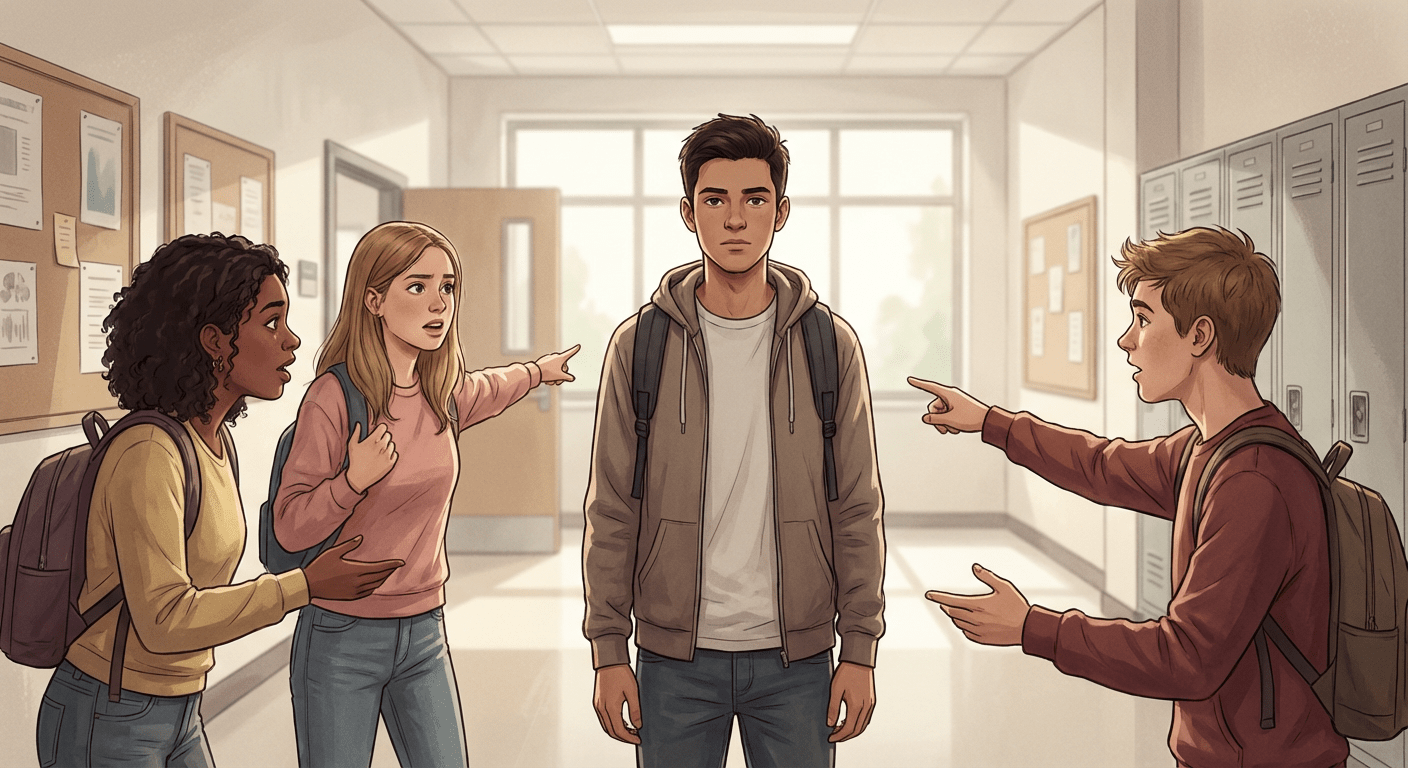
Humans are naturally wired to:
-
Want acceptance
-
Avoid rejection
-
Fit into groups
The brain often treats social rejection like physical pain, which is why saying “yes” feels easier than saying “no.”
But giving in repeatedly can lead to stress, regret, and loss of self-confidence.
That’s why learning to say no is not rude – it’s self-respect.
✅ What Are 5 Ways to Say No to Peer Pressure?
1. Say No Clearly and Confidently
You do not need to explain everything.
Example:
“No, I’m not comfortable with that.”
Why it works:
Confidence sends a clear signal. Most people stop pushing when they sense certainty.
Tip:
Say it calmly. No anger. No apology.
2. Give a Short, Simple Reason
A small reason is enough. Don’t over-explain.
Examples:
-
“No, I have other plans.”
-
“I don’t feel like doing that.”
-
“That’s not for me.”
Why it works:
People accept short reasons more easily. Long explanations invite arguments.
3. Suggest a Better Alternative
You’re rejecting the action — not the person.
Example:
“I’m not into that, but we can do something else.”
Why it works:
This keeps relationships healthy and reduces conflict.
4. Repeat Your Answer Calmly
If someone keeps pushing, repeat your no.
Example:
“I already said no.”
“I’m not changing my decision.”
Why it works:
Repetition shows strong boundaries. Manipulation usually stops here.
5. Walk Away From the Situation
Sometimes the best answer is distance.
You can:
-
Leave the place
-
Change the topic
-
Spend time with people who respect you
Why it works:
Environment strongly influences behavior. Leaving restores control.
What Happens When You Learn to Say No?
Saying no helps you:
-
Build self-confidence
-
Reduce stress and anxiety
-
Make better life choices
-
Gain real respect (even if it doesn’t feel like it at first)
People who respect you will accept your no.
People who don’t – aren’t worth the pressure.
Is Saying No to Peer Pressure a Skill You Can Learn?

Yes. Like any skill, it improves with practice.
Start small:
-
Say no to things you don’t enjoy
-
Practice confident body language
-
Trust your inner voice
Over time, saying no becomes natural- not scary.
Final Thoughts
Peer pressure doesn’t control you – your response does.
Learning how to say no is not about being difficult.
It’s about choosing your values, your future, and your mental peace.
If something feels wrong, that feeling is enough reason to say no.
📌 Quick Takeaway
You don’t owe anyone an explanation for protecting yourself.
📌 FAQ: Peer Pressure
How to handle peer pressure in school?
Handling peer pressure in school starts with self-awareness and confidence. Students should:
-
Know their values
-
Practice saying no politely
-
Talk openly with parents or teachers
Schools feel safer when students remember they are not alone.
What are 5 ways to say no to peer pressure?
-
Say no clearly and confidently
-
Give a short reason
-
Suggest an alternative
-
Repeat your decision calmly
-
Walk away if needed
These methods protect self-respect and mental health.
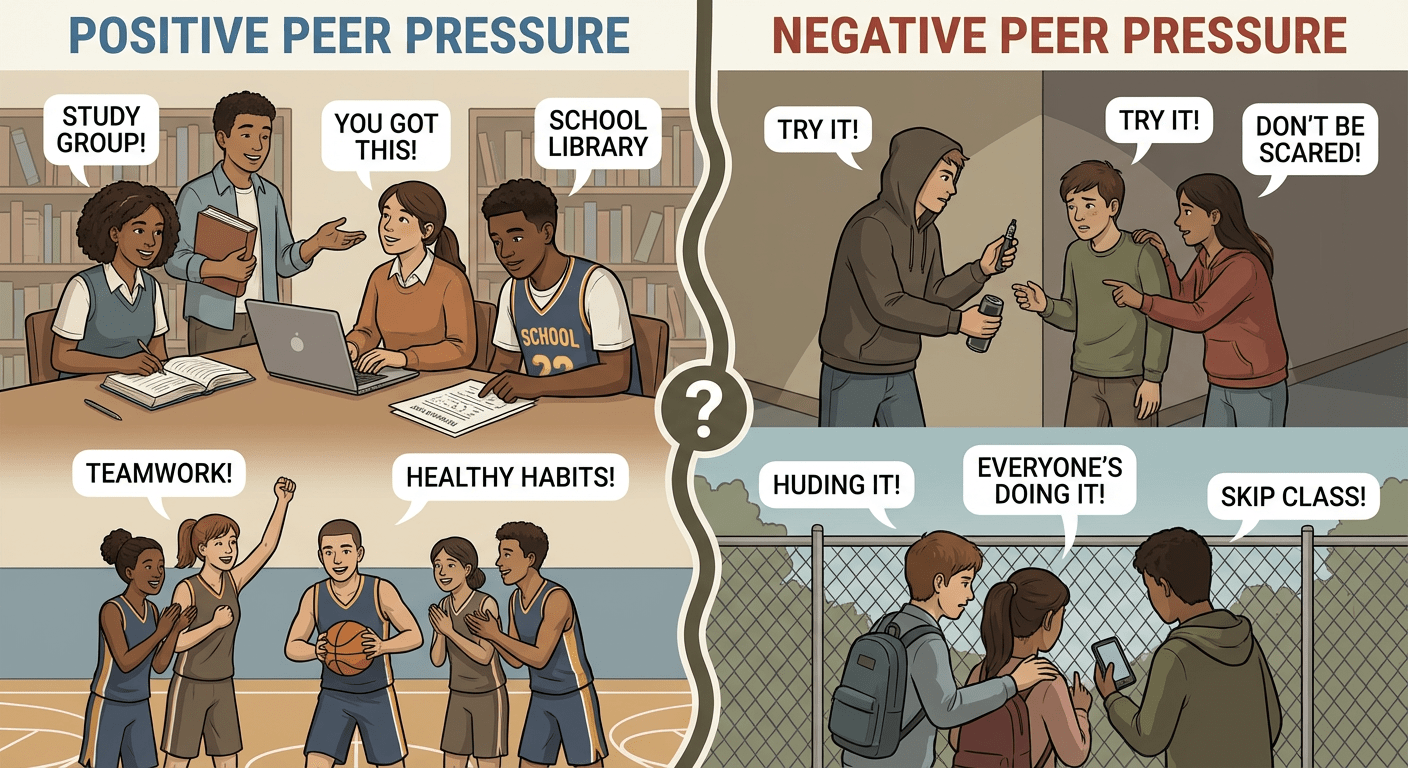
What are 5 positive peer pressures in school?
Positive peer pressure can help students:
-
Study better
-
Participate in sports or activities
-
Avoid drugs and harmful habits
-
Support mental health
-
Be kind and inclusive
Not all peer pressure is bad — the right friends help you grow.
How to handle peer pressure respectfully?
-
Stay calm
-
Use polite language
-
Don’t insult or judge others
-
Respect differences
You can say no without losing friendships.
What are the 6 types of peer pressure?
-
Spoken pressure (verbal persuasion)
-
Unspoken pressure (copying others)
-
Positive pressure
-
Negative pressure
-
Direct pressure
-
Indirect pressure
Understanding types helps you respond better.
What are the three types of peers?
-
Supportive peers (encourage growth)
-
Neutral peers (no strong influence)
-
Negative peers (pressure harmful behavior)
Choose peers who help you become better.
What are three causes of peer pressure?
-
Need for acceptance
-
Fear of rejection
-
Low self-confidence
Teen brains are still developing, which makes peer influence stronger.
What are four roles of peer groups?
Peer groups help with:
-
Social belonging
-
Emotional support
-
Identity building
-
Learning social skills
Healthy peer groups strengthen confidence.
What is an example of peer pressure?
A friend pushing someone to skip class, smoke, or bully others – even when the person feels uncomfortable – is peer pressure.
What are 5 examples of negative peer pressure?
-
Encouraging substance use
-
Bullying others
-
Skipping school
-
Unsafe online behavior
-
Risky challenges or dares
These can harm mental and physical health.
What is the best advice for a teenage girl?
-
Trust your instincts
-
Set clear boundaries
-
Value self-respect over approval
-
Speak up when uncomfortable
Confidence grows when choices align with values.
How to deal with peer pressure and bullying?
-
Report bullying to trusted adults
-
Stay with supportive friends
-
Avoid isolation
-
Practice assertive communication
Silence protects bullies – speaking up stops them.
How can parents help children deal with peer pressure?
Parents should:
-
Listen without judgment
-
Teach decision-making skills
-
Build confidence at home
-
Role-model healthy boundaries
Open communication is key.
How can teachers help students deal with peer pressure?
Teachers can:
-
Promote inclusive classrooms
-
Address bullying immediately
-
Encourage positive peer leadership
-
Offer safe reporting spaces
Supportive schools reduce pressure naturally.
What can schools do to stop peer pressure and bullying?
-
Anti-bullying policies
-
Counseling support
-
Peer mentoring programs
-
Awareness workshops
Prevention works better than punishment.
What is the best slogan to avoid peer pressure?
“Be yourself – everyone else is already taken.”
Simple slogans empower self-confidence.
Final Thought
Peer pressure loses power when students feel supported, confident, and informed.
Saying no today protects your future tomorrow.
🔗 Trusted Sources for Further Reading
You can add these as external reference links in your article (good for EEAT + Bing trust):
-
CDC – Youth Risk Behavior
https://www.cdc.gov/healthyyouth -
UNICEF – Peer Pressure & Adolescents
https://www.unicef.org/parenting/child-development -
APA – Teen Peer Influence
https://www.apa.org/monitor/nov01/peerpressure -
StopBullying.gov (US Govt)
https://www.stopbullying.gov -
Child Mind Institute
https://childmind.org