Debunking the Hollow Moon Theory: Scientific Evidence and Logical Arguments
The Hollow Moon Theory is a fringe conspiracy claim suggesting that Earth’s Moon is either partially or entirely hollow, possibly as an artificial structure or spaceship. While intriguing to some, this idea has been thoroughly debunked by astronomers, physicists, and space missions.
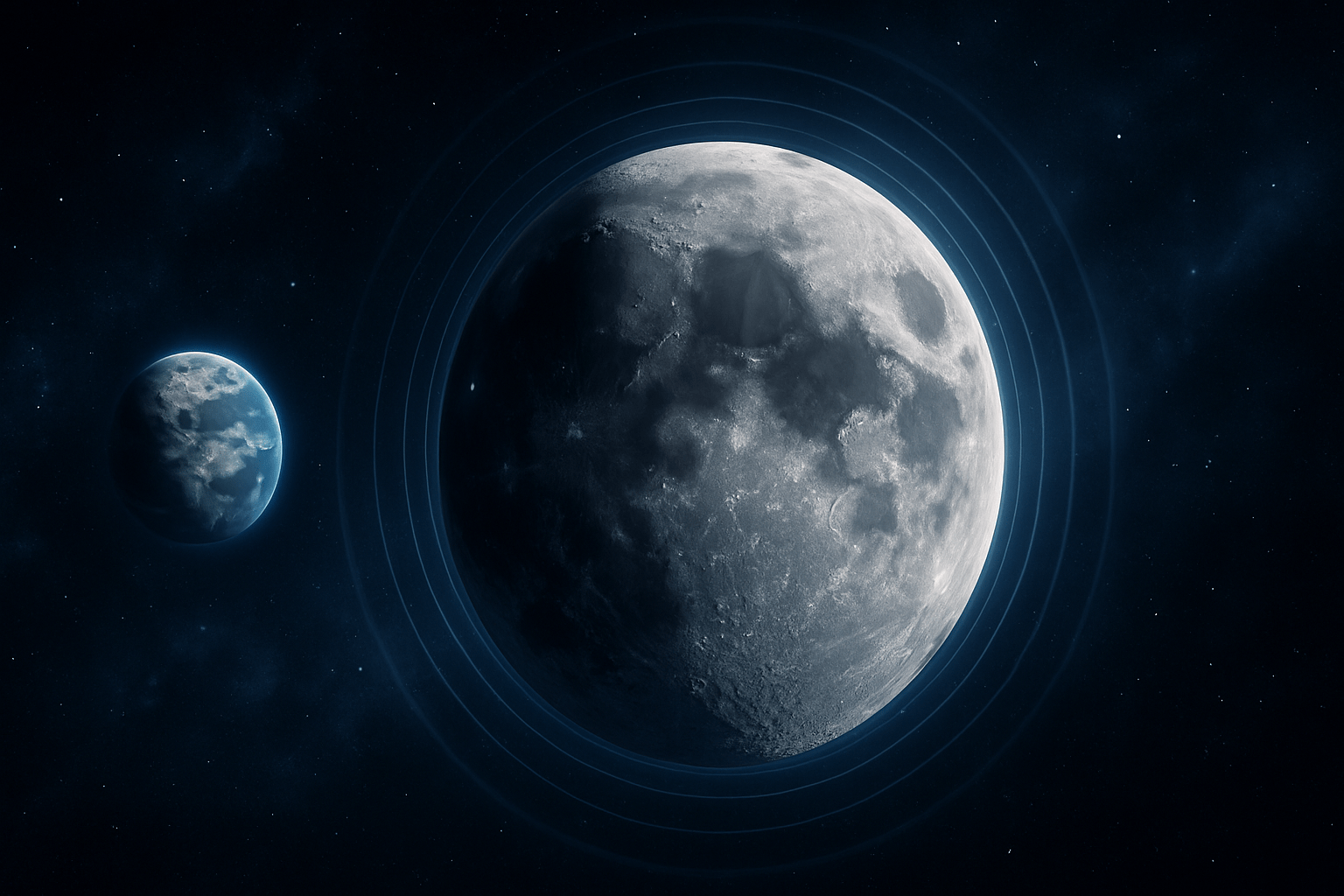
In this article, we’ll examine the key scientific arguments against the Hollow Moon Theory, supported by evidence from seismic studies, orbital mechanics, and lunar geology.
1. Seismic Data Confirms a Solid Interior
One of the strongest arguments against a hollow Moon comes from seismic experiments conducted during NASA’s Apollo missions.
-
Apollo Passive Seismic Experiments (1969-1977):
-
Apollo astronauts placed seismometers on the Moon that recorded “moonquakes.”
-
The vibrations from meteorite impacts and artificial crashes (e.g., Apollo Lunar Module ascent stages) were measured.
-
If the Moon were hollow, seismic waves would behave differently—they would not propagate as observed.
-
Instead, the data showed a solid interior with a possible small molten core (source: NASA).
-
-
The Moon “Rang Like a Bell” Myth:
-
Some conspiracy theorists claim the Moon “rang like a bell” after impacts, suggesting hollowness.
-
In reality, the Moon’s low water content and rigid structure cause seismic waves to reverberate longer than on Earth—not because it’s hollow (source: Scientific American).
-
2. The Moon’s Density Matches a Solid Rocky Body
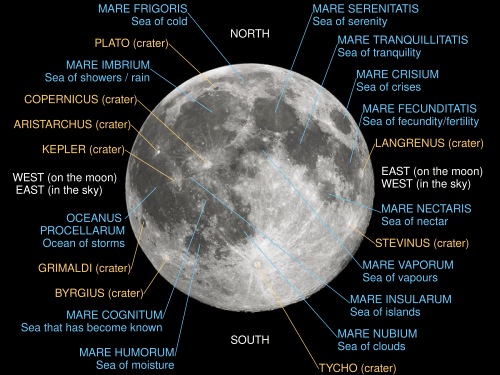
The Moon’s average density (3.34 g/cm³) is close to that of Earth’s mantle, consistent with a solid, rocky composition.
-
If the Moon were hollow, its mass and gravitational pull would be much weaker.
-
Observations of the Moon’s gravitational effects on spacecraft (e.g., Lunar Reconnaissance Orbiter) confirm its expected density (source: NASA LRO).
3. Orbital Mechanics Disprove an Artificial Structure

A hollow Moon would not behave the same way in orbit due to:
-
Tidal Locking: The Moon is tidally locked (same face always toward Earth), a natural result of gravitational forces over billions of years.
-
Lunar Laser Ranging Experiments: Precise laser measurements from Earth confirm the Moon’s mass distribution and orbital stability, inconsistent with a hollow structure (source: NASA).
4. Lunar Geology Shows a Natural Formation

-
The Moon’s basalt plains (maria) and highlands match volcanic and impact-based geological processes.
-
Moon rocks brought back by Apollo missions confirm a 4.5-billion-year-old natural formation, not artificial construction (source: USGS).
5. If the Moon Were Hollow, It Would Collapse Under Its Own Gravity

-
A hollow structure of the Moon’s size would collapse inward due to gravitational forces.
-
The Moon’s rigid crust and internal structure are consistent with planetary formation models (source: Nature).
Conclusion: The Moon Is Solid
While the Hollow Moon Theory makes for entertaining sci-fi, all available evidence—from seismic data to orbital mechanics—confirms that the Moon is a natural, solid celestial body.
For further reading:

People Also Ask
1. Is the Moon really hollow?
No, the Moon is not hollow. Seismic data from NASA’s Apollo missions confirms that the Moon has a solid interior with a possible small molten core. The way seismic waves travel through the Moon matches a dense, rocky structure—not a hollow one (NASA).
2. Why do some people believe the Moon is hollow?
The Hollow Moon Theory gained traction due to:
-
Misinterpretation of the Moon’s seismic reverberations (the “ringing like a bell” myth).
-
Conspiracy theories about ancient aliens or secret space programs.
-
Sci-fi stories and viral internet claims.
However, no scientific evidence supports these ideas (Scientific American).
3. Did the Moon “ring like a bell” during Apollo missions?
Yes, but not because it’s hollow. The Moon’s dry, rigid crust causes seismic waves to reverberate longer than on Earth. This is a normal property of solid, rocky bodies—not evidence of hollowness (NASA).
4. What would happen if the Moon were hollow?
-
Its gravity and density would be much weaker.
-
It would likely collapse under its own mass due to gravitational forces.
-
Orbital mechanics (like tidal locking) would behave differently.
Current observations disprove these possibilities (Nature).
5. Are there any unexplained lunar anomalies?
Some phenomena (like transient lunar phenomena) have unusual but natural explanations, such as meteorite impacts or gas releases. None suggest a hollow or artificial Moon (USGS).
6. What’s the strongest evidence against the Hollow Moon Theory?
-
Seismic data from Apollo missions.
-
Lunar rock samples proving natural formation.
-
Orbital mechanics matching a solid body.
-
Gravitational studies confirming expected density (NASA LRO).
Sources:
🌕 FAQ: Mysterious Facts About the Moon & NASA Discoveries
🧭 1. Why did the Moon “ring like a bell”?
When Apollo missions placed seismometers on the Moon, they detected vibrations lasting much longer than on Earth after impacts — leading scientists to say the Moon “rang like a bell.” This doesn’t mean it’s hollow; it simply means the Moon’s dry, rigid structure allows seismic waves to reverberate for longer.
☄️ 2. Will the 2032 asteroid hit the Moon?
No. Current NASA and ESA data show that no known 2032 asteroid trajectory intersects with the Moon. The asteroid in question (Apophis or 2007 FT3) poses no threat to either Earth or the Moon.
🕳️ 3. Did NASA find a cave on the Moon?
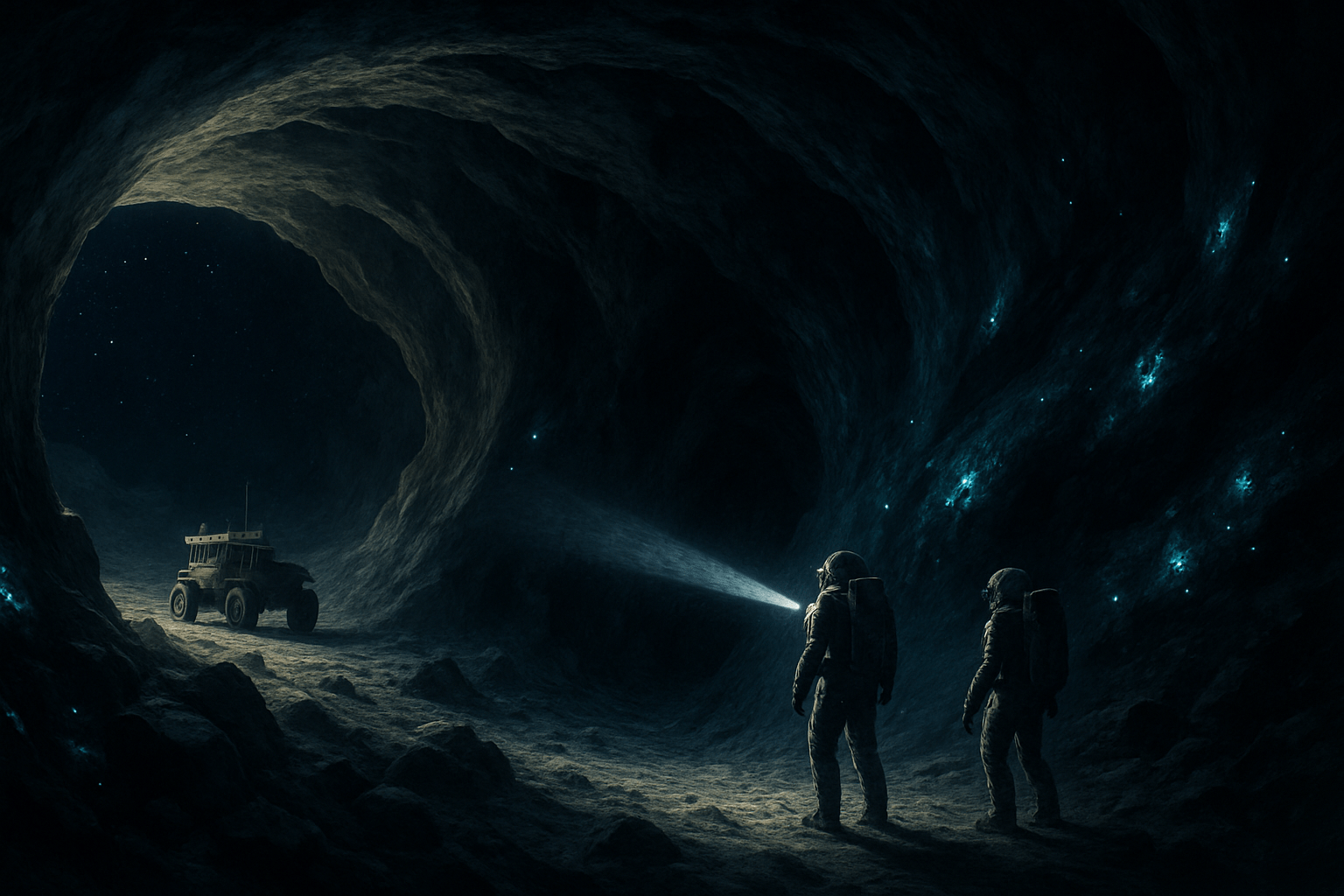
Yes, NASA and Japan’s JAXA have identified lunar lava tubes — large underground tunnels formed by ancient volcanic activity. These could one day protect astronauts from radiation and temperature extremes.
🌋 4. Does the Moon have lava?
The Moon once had active volcanoes billions of years ago. Today, the lava is solidified into basalt plains called maria (Latin for “seas”), but no molten lava remains active.
🚀 5. Who found the Apollo 11 cave?
No “Apollo 11 cave” exists. Apollo 11 astronauts (Neil Armstrong and Buzz Aldrin) landed on the Moon’s surface in the Sea of Tranquility, not in or near any cave. The term may be an internet myth.
🔇 6. Can you hear on the Moon?
No, because the Moon has no atmosphere to carry sound waves. Astronauts can only hear through their radio systems inside helmets.
🌑 7. Why does the Moon not rotate?
The Moon does rotate — it’s tidally locked with Earth, meaning it rotates at the same rate that it orbits Earth. This is why we always see the same face.
😊 8. Why is the Moon smiling?
“Smiling Moon” is just a visual illusion caused by the angle of the illuminated crescent. In some parts of the world, the crescent looks like a smile depending on viewing position and lunar tilt.
🔭 9. What has NASA found on the Moon?
NASA has found water ice in shadowed craters, traces of volcanic glass beads, and signs of hydrogen. These discoveries could support future lunar bases.
🧊 10. Did they find a cube on the Moon?
A Chinese rover (Yutu-2) spotted a cube-shaped rock on the Moon’s far side in 2021. Later analysis showed it was just a naturally shaped boulder, not an artificial object.
🔴 11. Did they find a cave on Mars?
Yes, NASA and ESA orbiters have imaged multiple cave-like openings on Mars that may also be lava tubes — possible future shelters for astronauts.
🕳️ 12. Did they find a hole in the Moon?
Yes, several natural pit craters have been found — one by Japan’s Kaguya orbiter in the Marius Hills region. These openings may lead into stable lava tubes below the lunar surface.
Hot Topic 🔥
🔥What Is Project Blue Beam?
🔥3I/ATLAS: Is the Interstellar Object Alien Technology?
🔥Mystery From the Sky: The Buga Sphere Appears in Colombia
🔥 Oumuamua: The Mysterious Interstellar Visitor and the Cosmic Message in Prashyant Jha’s Song
Also Read
What are the rules for NYT Connections Game?
How to get a Hint in NYT Connections
Blooket Hacks : How To Get And Use Blooket Hacks
Is Blooket the same as Kahoot?
How to Get all Blooks in Blooket?
Where is the Bing Homepage Quiz?
Bing vs Google Comparison – 2025
What Does “Bing Chilling” Mean? The John Cena Meme Explained (2025 Update)
How to Use Bing Translator: A Simple Guide for Quick and Accurate Translations
El Buscador de Google: Cómo Funciona, Historia y Secretos que No Conoces
👉 Mystical Prediction of the Day
👉Cymatics: From 2D Sand Patterns to 3D Sound Sculptures
👉 Hz Frequency Generator- Free Online Tone Generator
👉 What Frequencies Are Dangerous to Humans? Understanding Risks from Sound to Radiation
👉How to do a Cymatic Experiment
👉What is the science behind cymatics?
👉 NASA-Approved 30-Min Brain Boost
👉 What Is The Healing Power Of Sound Wave
👉 What does 528 hz do to the brain?
👉 The 7 Healing Frequencies: Unlocking the Power of Sound for Wellness
👉 The Sacred Science of Yantras: How Cymatics Validates Ancient Tantric Geometry
👉 Is 1111 a Lucky Number? A Deep Dive into Its Mystical, Numerological, and Cultural Significance
👉The 10 Mahavidyas: Hidden Spiritual Science of Sanatan Dharma – The Kali
People Also Read
- 2030 A Doomsday According to Indian Texts or Misinterpretation?
- The Glory of Narasimha Bhagwan: An Exploration of Ancient Indian History
- Medusa and Mansa Devi: The Untold Myths Connecting Greek and Hindu Traditions
- “The Enigmatic Link Between the Bermuda Triangle and Hindu Mythology of Ramayan: Unveiling the Mystery”
- why is mt. Kailash Considered to be a Sacred Site?
- How Eastern Wisdom Can Transform Your Modern Life.
- Lord Shani and Lord Yam : God of Karma for Living and Death
- In which direction Ganesh Idol should face.
- What is the logic for existence of God?
- Who Is Mahadev Shiv ?
- How to increase love for Krishna?
- Hanuman Chalisa English Lyrics| Bhajle Ram Naam | Prashyant Jha
Free AI Tools To test yourself
- Love Percentage Checker Tool – Check For Free!
- Soulmates Initial Finder
- Hz Frequency Generator- Free Online Tone Generator
- Mental Health Check In Tool [ FREE TEST ]
- Best Free Phone Photos Download
- Image Converter (Online & Free)
Seotoolrank.com Free Ai Tools
- RankVortex – Implies pulling traffic and SEO rankings toward you.
- How do I convert a PNG file to BMP?
- ConvertEase PDF
- Website Speed Checker Tool
- SEO Word Counter with Character Count
- Free Stopwatch and Online Timer Countdown
- Age Calculator Tool
- Password Generator Tool
- Qr Code Generator Free
- AI Story Generator Tool
- Blog Title Generator Tool [FREE]
