


American tourists are warmly welcomed in Japan.
Introduction
How are American Tourists treated in Japan
American tourists are generally treated with respect and hospitality in Japan. The Japanese people are known for their politeness and welcoming nature towards visitors from all over the world.
Are you planning a trip to Japan? As an American tourist, you may be wondering how you will be treated in this fascinating country. Well, fear not! Japan is known for its warm hospitality and friendly people. However, it’s always helpful to have some tips on navigating Japanese society and ensuring a positive experience. So, let’s dive in and discover how you can make the most of your trip to Japan!
First and foremost, it’s important to understand that Japan has a unique culture with its own set of customs and traditions. While Japanese people are generally welcoming towards tourists, it’s essential to be respectful and mindful of their customs. One of the most important aspects of Japanese culture is politeness. Politeness is highly valued in Japan, and it’s crucial to be mindful of your manners at all times.
When interacting with locals, a simple “hello” or “konnichiwa” can go a long way. Japanese people appreciate it when tourists make an effort to learn a few basic phrases in their language. So, don’t hesitate to learn a few greetings and thank yous before your trip. It will surely be appreciated and will help you connect with the locals on a deeper level.
Another important aspect of Japanese culture is the concept of personal space. In crowded places like trains or buses, it’s essential to be mindful of the space of others. Avoid talking loudly or making unnecessary noise, as it may disturb those around you. Additionally, it’s customary to remove your shoes when entering someone’s home or certain traditional establishments. So, be prepared to slip off your shoes and wear clean socks!
While exploring Japan, you’ll notice that cleanliness is highly valued. Japanese streets, parks, and public spaces are remarkably clean. It’s important to follow suit and dispose of your trash properly. Look for designated trash bins and separate your garbage accordingly. By doing so, you’ll not only contribute to the cleanliness of the country but also show respect for the environment and the local customs.
When it comes to dining in Japan, you’re in for a treat! Japanese cuisine is renowned worldwide, and trying local dishes is a must. However, it’s important to remember a few dining etiquette tips. Firstly, it’s customary to say “itadakimasu” before starting your meal, which is a way of expressing gratitude for the food. Also, slurping noodles is considered a sign of enjoyment, so don’t be afraid to slurp away! Lastly, it’s polite to finish all the food on your plate, as leaving food behind may be seen as wasteful.
As an American tourist, you may also encounter some cultural differences that may seem unusual at first. For example, it’s common to see people bowing as a form of greeting or showing respect. While you don’t have to bow as deeply as the locals, a slight nod of the head is a polite gesture. Additionally, it’s important to be mindful of your body language. Avoid pointing with your finger, as it’s considered impolite. Instead, use an open hand or gesture with your whole hand.
In conclusion, American tourists are generally treated with warmth and hospitality in Japan. By being respectful of Japanese customs, learning a few basic phrases, and following the local etiquette, you can ensure a positive and enjoyable experience. Embrace the unique culture, try the delicious cuisine, and immerse yourself in the beauty of Japan. Have a fantastic trip!
How are American Tourists treated in Japan
Experiences and Recommendations: American Tourists’ Perspectives on Traveling in Japan
Hey there, fellow travelers! If you’re considering a trip to Japan, you might be wondering how American tourists are treated in this fascinating country. Well, fear not! As an American who has had the pleasure of exploring Japan, I’m here to share my experiences and recommendations with you. So, let’s dive right in!
First and foremost, let me assure you that Japanese people are incredibly welcoming and friendly towards American tourists. From the moment you step foot in Japan, you’ll be greeted with warm smiles and helpful gestures. The locals are known for their politeness and hospitality, and they go out of their way to make visitors feel comfortable.
One thing you’ll notice is that Japanese people are generally respectful of personal space. They might not engage in as much small talk as you’re used to, but don’t mistake this for rudeness. It’s simply a cultural difference. However, if you do strike up a conversation, you’ll find that many Japanese people are eager to practice their English and learn about your culture.
When it comes to dining out, you’ll be pleased to know that Japanese restaurants are accustomed to catering to international visitors. Many establishments have English menus or picture menus, making it easy for you to order your favorite dishes. And don’t worry if you’re not familiar with chopsticks – most places also provide forks and spoons upon request.
Now, let’s talk about transportation. Japan is famous for its efficient and punctual public transportation system. Whether you’re taking the subway, train, or bus, you’ll find that everything runs like clockwork. As an American tourist, you’ll be treated no differently than any other passenger. Just make sure to follow the local customs, such as giving up your seat to elderly or pregnant individuals.
When it comes to sightseeing, Japan has a wealth of incredible attractions to offer. From ancient temples and shrines to bustling cityscapes and breathtaking natural landscapes, there’s something for everyone. As an American tourist, you’ll be welcomed with open arms at these iconic sites. Just remember to be respectful of the local customs and traditions, such as removing your shoes before entering certain places.
If you’re planning to stay in hotels or traditional Japanese inns, known as ryokans, you’ll be treated like royalty. The staff is attentive and always ready to assist you with any questions or concerns you may have. And let’s not forget about the amazing hot springs, or onsen, that Japan is famous for. Soaking in these rejuvenating baths is a must-do experience, and you’ll find that the locals are more than happy to guide you through the etiquette.
In conclusion, American tourists are treated with warmth and respect in Japan. The locals are friendly, helpful, and eager to make your visit a memorable one. From the moment you arrive until the time you bid farewell, you’ll be immersed in a culture that values hospitality and embraces diversity. So, pack your bags, book your tickets, and get ready for an unforgettable adventure in the Land of the Rising Sun. Safe travels, my friends!
How are American Tourists treated in Japan
Stereotypes and Misconceptions: Debunking Myths about American Tourists in Japan
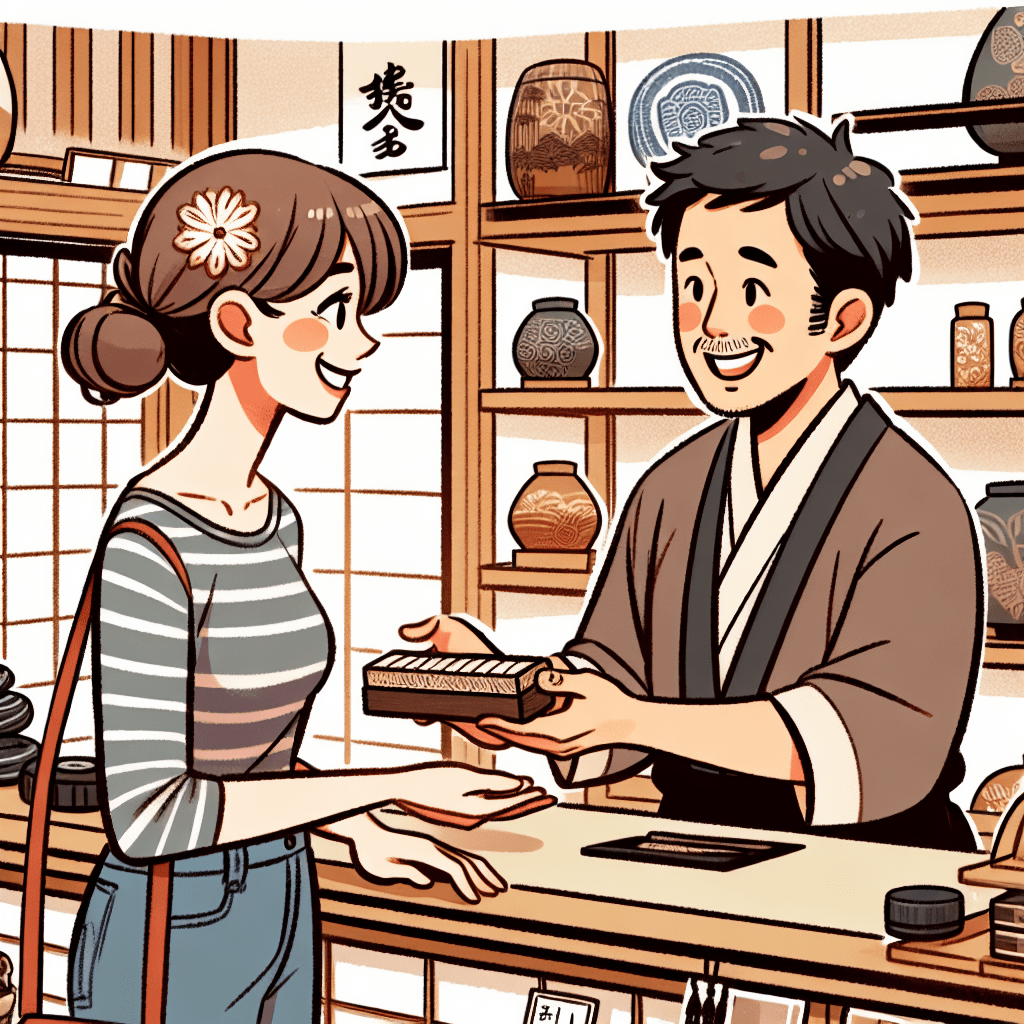
Hey there, fellow travelers! Today, we’re going to dive into a topic that has sparked curiosity and raised eyebrows among many globetrotters: how are American tourists treated in Japan? As an American who has had the pleasure of exploring the Land of the Rising Sun, I can assure you that the stereotypes and misconceptions surrounding this topic are just that – stereotypes and misconceptions. So, let’s debunk some of these myths and shed some light on the real experiences of American tourists in Japan.
First and foremost, let’s address the elephant in the room – the language barrier. It’s true that English is not widely spoken in Japan, especially in more rural areas. However, this doesn’t mean that you’ll be met with cold shoulders and confused looks wherever you go. Japanese people are incredibly polite and helpful, and they will go out of their way to assist you, even if it means using hand gestures or Google Translate to communicate. So, don’t be afraid to ask for directions or recommendations – chances are, you’ll be met with a warm smile and genuine assistance.
Another common misconception is that Americans are seen as loud and obnoxious in Japan. While it’s true that Japanese culture values politeness and tranquility, this doesn’t mean that Americans are automatically labeled as rowdy troublemakers. In fact, Japanese people are generally fascinated by foreign cultures, including American culture. As long as you respect local customs and traditions, you’ll find that Japanese people are more than happy to engage in friendly conversations and share their own experiences with you.
Now, let’s talk about the infamous “ugly American” stereotype. This stereotype suggests that Americans are arrogant and disrespectful towards other cultures. While it’s true that some individuals may exhibit such behavior, it’s important to remember that these are exceptions rather than the rule. Most American tourists in Japan are genuinely interested in immersing themselves in the local culture, trying new foods, and learning about the country’s rich history. As long as you approach your travels with an open mind and a respectful attitude, you’ll find that Japanese people will welcome you with open arms.
One aspect that often worries American tourists is the fear of inadvertently offending someone. Japan has a complex set of social norms and customs, and it’s natural to feel a bit overwhelmed at first. However, it’s important to remember that Japanese people understand that foreigners may not be familiar with all the intricacies of their culture. As long as you make an effort to be polite and show respect, any unintentional missteps will likely be forgiven. And hey, if you’re unsure about something, don’t hesitate to ask – Japanese people appreciate the effort and will be happy to guide you.
In conclusion, the idea that American tourists are treated poorly in Japan is simply a myth. Japanese people are incredibly welcoming and understanding, and they appreciate the genuine interest that American tourists have in their country. So, if you’re planning a trip to Japan, leave your worries behind and get ready for an unforgettable adventure filled with warm smiles, breathtaking sights, and incredible cultural experiences. Happy travels!
How are American Tourists treated in Japan
Language Barriers: Challenges and Solutions for American Tourists in Japan
Visiting Japan as an American tourist can be an exciting and enriching experience. The country is known for its rich culture, stunning landscapes, and delicious cuisine. However, one challenge that American tourists often face when traveling to Japan is the language barrier. While English is taught in schools and many Japanese people have some knowledge of the language, it can still be difficult to communicate effectively.
One of the main challenges American tourists face is the limited English proficiency of many Japanese people. While major cities like Tokyo and Osaka have a higher percentage of English speakers, it can still be challenging to find someone who can understand and respond in English. This can make simple tasks like ordering food or asking for directions quite difficult.
However, there are several solutions to overcome this language barrier. One option is to learn some basic Japanese phrases before your trip. Simple greetings like “hello” (konnichiwa) and “thank you” (arigatou gozaimasu) can go a long way in showing respect and making a positive impression. Additionally, learning phrases related to ordering food or asking for directions can be incredibly helpful.
Another solution is to use translation apps or devices. There are many smartphone apps available that can translate spoken or written language in real-time. These apps can be a lifesaver when trying to communicate with locals or read signs and menus. Additionally, some hotels and tourist information centers offer translation devices that can be borrowed during your stay.
It’s also important to remember that non-verbal communication can be just as effective as spoken language. Japanese people are known for their politeness and respect, so using gestures and body language can help convey your message. A smile, a bow, or a simple nod of the head can go a long way in showing your appreciation and understanding.
Furthermore, it’s worth noting that Japanese people are generally very patient and understanding when it comes to language barriers. They appreciate the effort made by tourists to communicate in their language and are often willing to help. Don’t be afraid to ask for assistance or clarification if you’re unsure about something. Locals are usually more than happy to lend a hand.
In recent years, Japan has also made efforts to improve its English proficiency, especially in preparation for the 2020 Tokyo Olympics. Many signs and menus in tourist areas now have English translations, and more English-speaking staff can be found in hotels and popular attractions. This makes it easier for American tourists to navigate their way around the country and enjoy their trip to the fullest.
In conclusion, while the language barrier can pose a challenge for American tourists in Japan, there are several solutions to overcome it. Learning some basic Japanese phrases, using translation apps or devices, and relying on non-verbal communication can all help bridge the gap. Additionally, the patience and understanding of Japanese people, along with the country’s efforts to improve English proficiency, make it easier for American tourists to navigate and enjoy their time in Japan. So don’t let the language barrier deter you from experiencing the wonders of this beautiful country!
How are American Tourists treated in Japan
Etiquette and Customs: Understanding Japanese Hospitality towards American Tourists
Hey there, fellow travelers! If you’re planning a trip to Japan, you might be wondering how American tourists are treated in this fascinating country. Well, let me tell you, Japan is known for its warm hospitality and friendly demeanor towards visitors from all over the world, including Americans. However, it’s always a good idea to familiarize yourself with the local customs and etiquette to ensure a smooth and enjoyable experience. So, let’s dive right in and explore the unique Japanese hospitality towards American tourists!
First and foremost, it’s important to understand that the Japanese people have a deep respect for their own culture and traditions. As a visitor, showing respect for their customs will go a long way in earning their appreciation. One of the most common customs you’ll encounter is bowing. In Japan, bowing is a way of greeting, showing gratitude, and expressing respect. While a simple nod of the head is usually sufficient for tourists, it’s always nice to learn a few basic bowing techniques to show your willingness to embrace their culture.
Another aspect of Japanese hospitality is their attention to detail and impeccable service. From hotels to restaurants, you’ll find that the staff goes above and beyond to ensure your comfort and satisfaction. Don’t be surprised if you receive a warm towel to freshen up upon arrival or if your hotel room is impeccably clean and well-stocked. This level of service is a reflection of the Japanese commitment to hospitality and will make your stay even more enjoyable.
When it comes to dining, you’ll be delighted by the culinary experiences Japan has to offer. Japanese cuisine is renowned worldwide, and trying local dishes is a must. However, it’s essential to be mindful of table manners and dining etiquette. For example, slurping noodles is not only acceptable but actually considered a compliment to the chef. Additionally, it’s customary to say “itadakimasu” before starting your meal and “gochisousama deshita” after finishing to express gratitude for the food. These small gestures will show your appreciation for the culinary delights and leave a positive impression on the locals.
While English is not widely spoken in Japan, especially in more rural areas, you’ll find that many Japanese people are eager to help and communicate with you. It’s always a good idea to learn a few basic Japanese phrases like “hello” (konnichiwa), “thank you” (arigatou gozaimasu), and “excuse me” (sumimasen). Even if your pronunciation isn’t perfect, the effort you put into learning their language will be greatly appreciated and will make interactions smoother.
Lastly, it’s important to be mindful of cultural differences and adapt your behavior accordingly. For example, public displays of affection are generally frowned upon in Japan, so it’s best to keep your affectionate gestures private. Additionally, it’s considered impolite to eat or drink while walking, so find a designated area or park to enjoy your snacks. By being aware of these cultural nuances, you’ll show respect for the local customs and ensure a positive experience for both yourself and the Japanese people you encounter.
In conclusion, American tourists are generally treated with warmth and respect in Japan. The Japanese people take pride in their hospitality and are eager to share their culture with visitors. By embracing their customs, showing gratitude, and being mindful of cultural differences, you’ll not only have a fantastic trip but also leave a lasting impression on the locals. So pack your bags, get ready to bow, and embark on an unforgettable journey through the land of the rising sun!
How are American Tourists treated in Japan
Cultural Differences: How American Tourists are Perceived in Japan
Hey there, fellow travelers! Today, let’s dive into the fascinating world of cultural differences and explore how American tourists are perceived in Japan. As we all know, Japan is a country rich in history, tradition, and unique customs. So, it’s only natural to wonder how we, as American tourists, are received in this beautiful land of the rising sun.
First and foremost, it’s important to note that Japan is a country known for its warm hospitality and respect for visitors. Japanese people are generally friendly, polite, and helpful, making it a welcoming destination for tourists from all around the world, including Americans. However, it’s crucial to be aware of the cultural nuances and differences to ensure a smooth and enjoyable experience.
One aspect that often stands out to American tourists is the concept of personal space. In Japan, personal space is highly valued, and physical contact is generally kept to a minimum. So, don’t be surprised if you notice a slight hesitation when it comes to hugs or handshakes. Instead, a polite bow or a simple nod is the customary greeting. Embracing this cultural norm will not only show your respect but also help you blend in seamlessly.
Another cultural difference that may catch your attention is the importance of punctuality. In Japan, being on time is considered a sign of respect and good manners. So, make sure to plan your activities accordingly and arrive at your destinations promptly. This will not only be appreciated by the locals but also allow you to fully immerse yourself in the Japanese way of life.
Now, let’s talk about language. While English is taught in schools and many Japanese people have a basic understanding of it, don’t expect everyone to be fluent. It’s always a good idea to learn a few basic phrases in Japanese, such as “hello” (konnichiwa), “thank you” (arigatou gozaimasu), and “excuse me” (sumimasen). This small effort will go a long way in showing your appreciation for the local culture and will often be met with a warm smile.
Food is another aspect where cultural differences may arise. Japanese cuisine is renowned worldwide for its exquisite flavors and presentation. However, it’s essential to be open-minded and willing to try new things. Sushi, sashimi, and ramen are just a few of the delicious dishes you’ll encounter. Remember, it’s considered impolite to waste food in Japan, so try to finish what’s on your plate. And if you’re unsure about dining etiquette, observing the locals and following their lead is always a safe bet.
Lastly, let’s address the topic of dress code. While Japan is a modern and cosmopolitan country, it still holds traditional values when it comes to attire. It’s generally recommended to dress modestly and avoid revealing clothing, especially when visiting religious sites or more conservative areas. Additionally, removing your shoes before entering someone’s home or certain establishments is customary, so keep an eye out for signs indicating this practice.
In conclusion, American tourists are generally treated with warmth and respect in Japan. By embracing the cultural differences, being mindful of personal space, punctuality, language, and dress code, you’ll find yourself seamlessly blending into the local way of life. So, pack your bags, open your mind, and get ready for an unforgettable adventure in the land of the rising sun! Safe travels, my friends!
How are American Tourists treated in Japan
Conclusion
American tourists are generally treated with respect and hospitality in Japan. The Japanese people are known for their politeness and helpfulness towards visitors, and this extends to American tourists as well. While cultural differences may exist, locals are often patient and understanding, making efforts to accommodate and assist American tourists during their stay in Japan. Overall, American tourists can expect to be treated warmly and with courtesy while exploring the country.
